Cart
News
Releases

Shaping a New Direction for the Building Materials Industry
According to experts, material trends in 2026 will be influenced by three key factors: emotion and passion, time, and health. These three elements are creating new expectations and demands for materials.
Material Trends Are Clearly Shifting
On May 5, at the National Convention Center, AMY GRUPO organized a series of thematic seminars focusing on key issues in the building materials industry amid the transition toward a new stage of development - from supplying individual products to providing a comprehensive materials ecosystem.
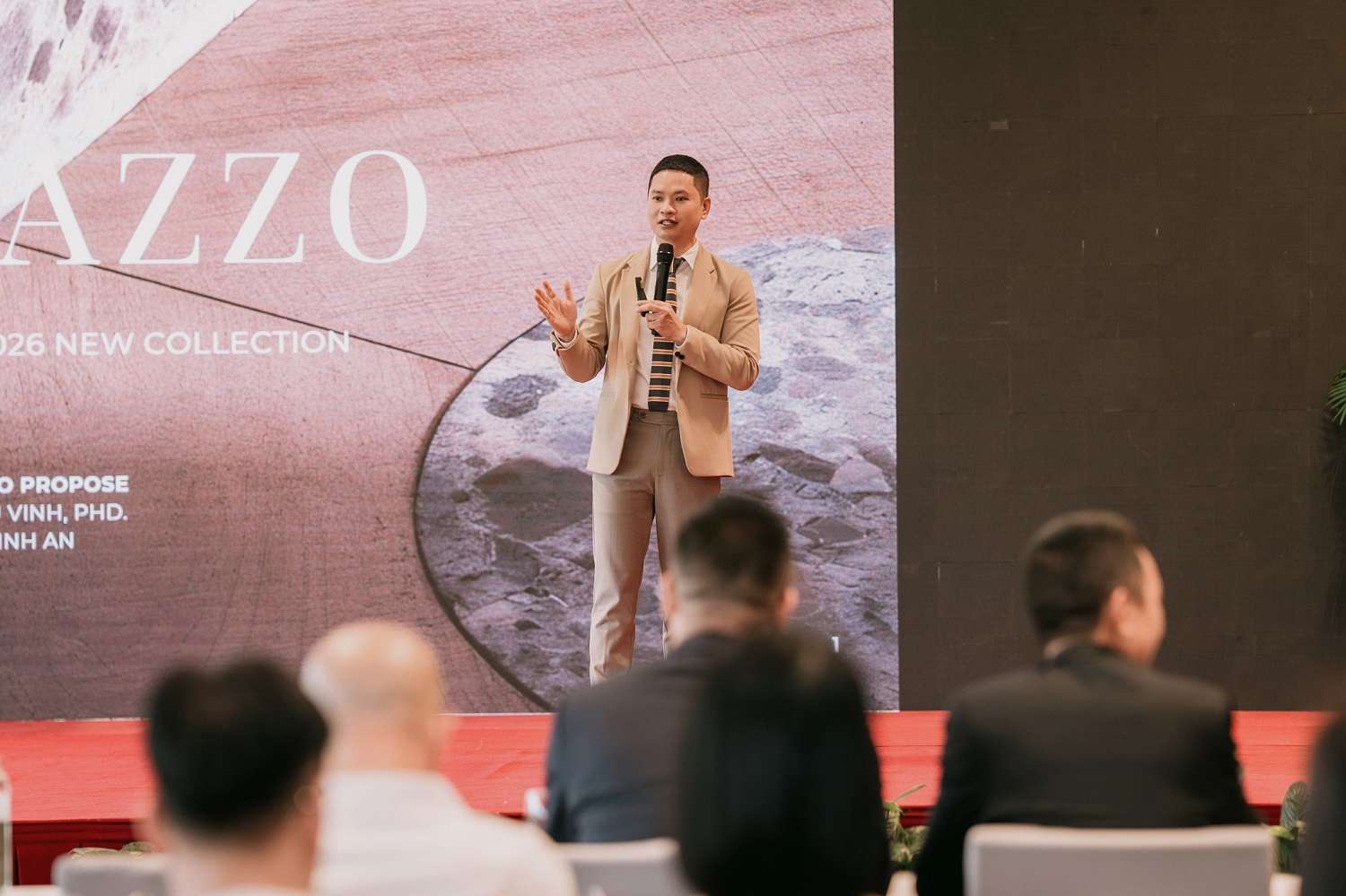
Specifically, the strategic supply chain seminar featured discussions on optimizing resources and solving supply chain challenges in the new context, from operational optimization to enhancing competitiveness, aiming to position Vietnamese products on the international stage through sustainable and differentiated strategies.
In addition, the IPO information seminar analyzed market potential and opened investment opportunities to foster strategic connections, increase value, and promote sustainable long-term growth; alongside seminars on marketing and material trends for 2026, as well as modern business models.
Through these activities, the seminar series provided multidimensional perspectives and suggested new approaches for businesses, while also contributing to shaping a new direction for the building materials industry. This was one of the activities held as part of AMY GRUPO’s 10th anniversary celebration, marking its development journey.
At the seminar, Architect Le Anh Tuan, Founder of the VietCG Community, stated that material trends in 2026 would be influenced by three factors: emotion/passion, time, and health. These elements are creating new pressures and expectations for materials.
Mr. Le Anh Tuan explained that, in terms of emotion, users seek fresh and authentic experiences that are not only visually appealing but also rich in tactile sensation. Regarding time, consumers are concerned with operating and maintaining spaces in a cost-effective and efficient manner. Finally, the health factor is associated with transparency in manufacturing quality, environmental responsibility, and safety standards.
“Therefore, materials today are no longer limited to aesthetics alone but must also meet additional performance requirements such as antibacterial properties, scratch resistance, anti-glare features, and functionalities that enhance the overall living experience,” said Mr. Le Anh Tuan.
From these changes, material trends are also shifting significantly. Mr. Le Anh Tuan identified five major trends:
First, a focus on tactile sensation, where touch becomes as important as visual appeal. Material surfaces are prioritized for their natural depth and texture, avoiding overly smooth or excessively “industrial” feelings.
Second, naturality — not through perfect imitation of natural materials, but by recreating their essence and characteristics. Examples include non-repetitive wood grains, matte surfaces, and low-reflection finishes that create a more authentic and visually comfortable experience.
Third, sustainable development is evolving from simple “eco” slogans to clear data systems and certifications. Users can now trace the origin, lifecycle, and recyclability of materials.
Fourth, enhanced performance: materials are expected to integrate features such as scratch resistance, antibacterial properties, moisture resistance, self-cleaning capabilities, or even self-healing technologies.
Fifth, selecting materials as an integrated system from the design stage, rather than assembling them separately. In this approach, color is no longer merely a finishing layer but becomes an intrinsic component of the material itself, playing a role in creating overall harmony.
New Impacts Amid the AI Wave
Architect Tran Le Quoc Binh, Founder and CEO of QBI Corp, believes that as the AI wave continues to develop strongly, materials will diverge into two distinct directions: one focusing on craftsmanship and celebrating uniqueness, and the other consisting of industrial products designed for the mass market. For industrial product lines, the key factor in convincing customers is giving them personalized choices.
This can be achieved through the development of complementary material sets that allow users to flexibly combine elements - such as connectors, accent materials, and accessories - enabling them to create distinctive solutions even when using industrial products.
Architect Tran Le Quoc Binh also highlighted another trend known as “quiet luxury” - refined and understated elegance. Materials will no longer emphasize large patterns or overly obvious natural imitations, but instead focus on surface quality, tactile sensation, and finishing details.
In addition, sustainability trends will increasingly be evaluated from the perspective of energy indicators. A “green” material is not defined solely by the material itself, but by its entire lifecycle - from manufacturing and installation to operation and recycling.
Dr. Nguyen Huu Vinh, Member of the Board of Directors and Creative Advisor of AMY GRUPO, shared that the company is currently establishing a Material Aesthetics Research Center, operating independently while closely coordinating with the product R&D center. The center brings together architects, designers, engineers, researchers, and critics.
The process of researching and developing product collections includes data compilation, analysis of global and Vietnamese trends, and classification of designs and surface effects. Based on this process, new collections for 2026 are proposed, featuring approximately 20–30 designs. This collection focuses on terrazzo materials — a trend currently experiencing strong growth both internationally and domestically, driven not only by forecasts but also by actual market demand.
In addition to terrazzo, other material trends such as travertine are also gaining strong momentum, alongside remarkable advances in manufacturing technology that enable highly realistic recreations of natural material surfaces, sometimes almost indistinguishable from genuine materials.
AMY GRUPO is also intensifying research collaboration with suppliers to develop products with the same technical specifications but lighter and thinner, helping save raw materials and energy while contributing to the goal of building a green and sustainable supply chain.
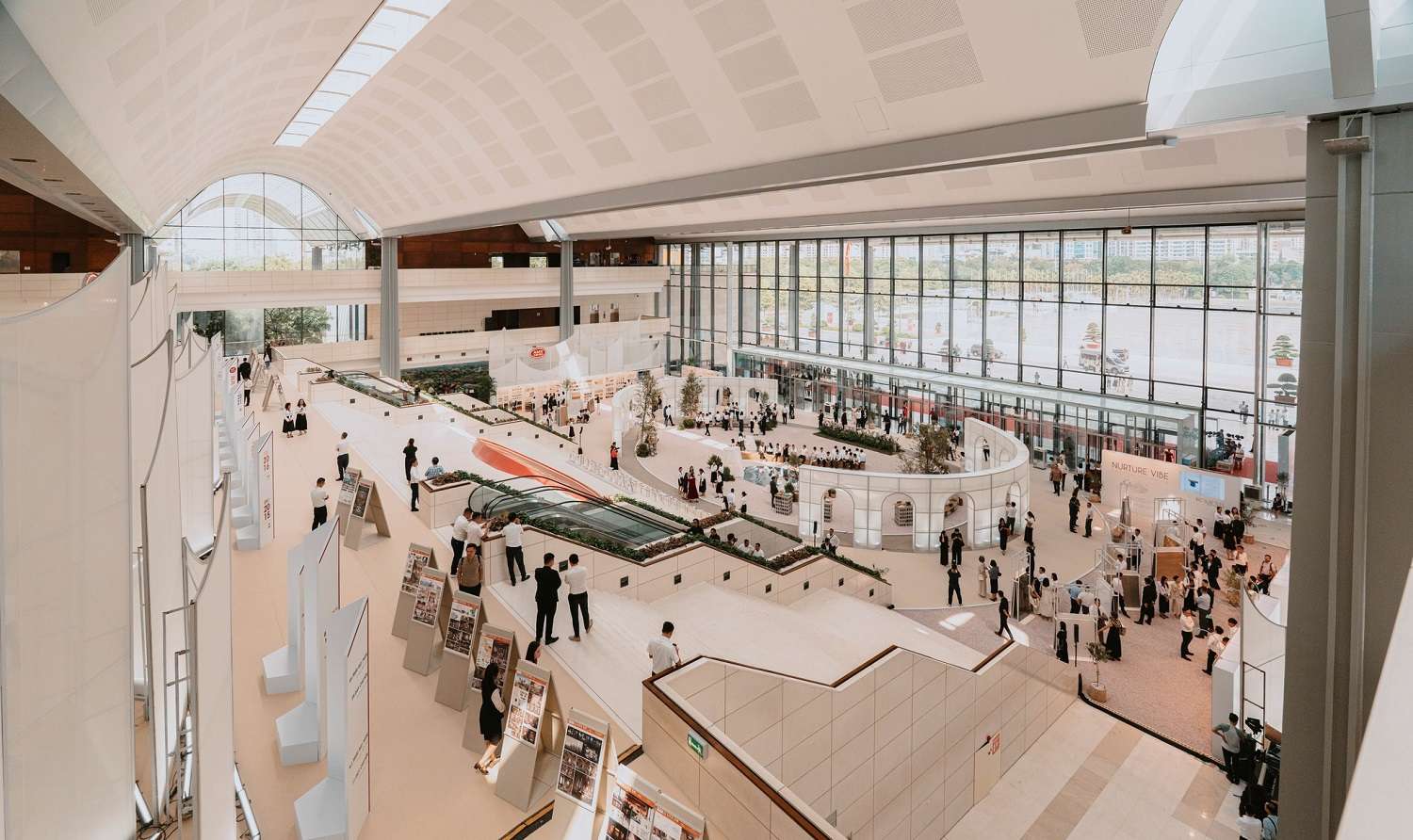
Alongside the seminars, the exhibition “Journey Beyond Boundaries - A Journey of Aspirations Beyond Limits” was organized to showcase the company’s manufacturing capabilities and product ecosystem. A key highlight of the exhibition was the introduction of the 2026 Sintered Stone Collection.
Previously, on May 4, the final round of AMY Design Awards 2025 took place. The competition aims to connect with, accompany, and nurture the next generation of architects and young designers - a force that will play a vital role in the future of the materials and architecture industry.
Source: Shaping a New Direction for the Building Materials Industry
Related News
AMY GRUPO Ahead of Its IPO: From a Building Materials Manufacturer to a Billion-Dollar Revenue Growth Story
In 2025, AMY GRUPO generated nearly VND 7 trillion in revenue, with more than 75% coming from international markets. In Q1 2026, the company continued to record strong growth of over 36%. According to Vietcap's forecasts, AMY GRUPO's revenue and profit could achieve compound annual growth rates (CAGR) of 23% and 24%, respectively, during the 2025-2028 period.
View Details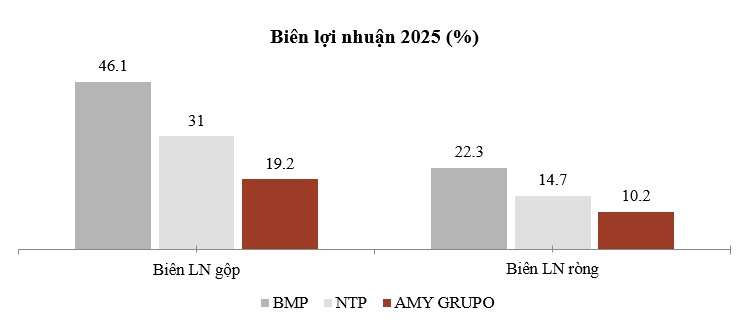
AMY GRUPO: A Young Company Surpassing Two Plastic Industry “Giants,” with Near-Leading ROE and Outstanding Cash Flow Conversion
Compared with two leading listed plastic industry companies with strong operating performance, AMY GRUPO presents a notable growth story: its revenue has risen to the top of the peer group, its ROE is approaching that of industry leaders, and its operating cash flow demonstrates outstanding conversion from earnings. The margin pressures seen in 2025 primarily reflected trade policy factors and the characteristics of export markets, rather than a deterioration in the company’s underlying operational fundamentals.
View Details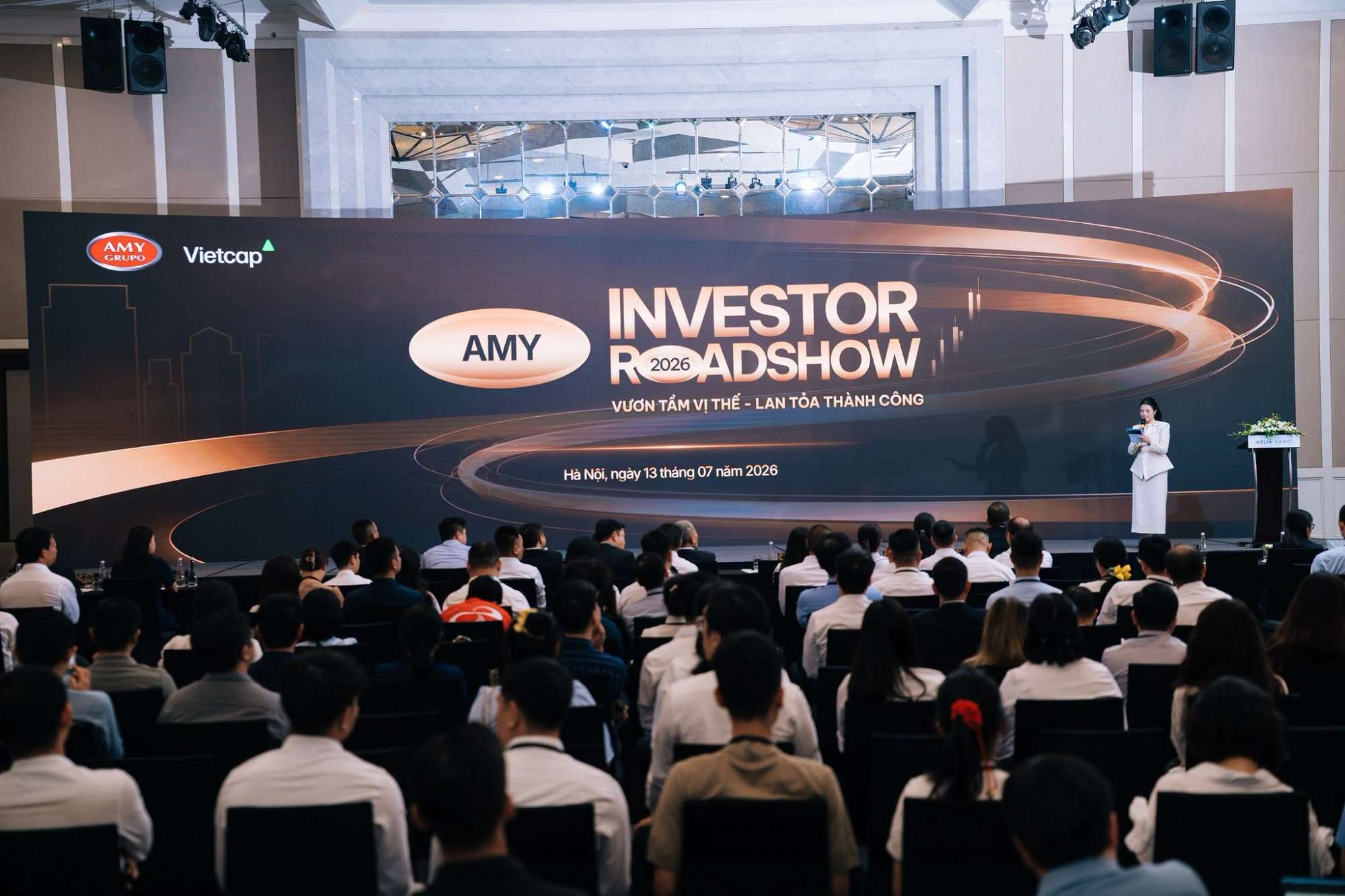
Vietcap: AMY GRUPO Poised to Enter a New Growth Cycle
After 10 years of development, AMY GRUPO is entering a new phase of growth with its planned initial public offering (IPO), with the company targeting a listing on the Ho Chi Minh City Stock Exchange (HOSE) under the ticker AMY, expected in Q4 2026.
View Details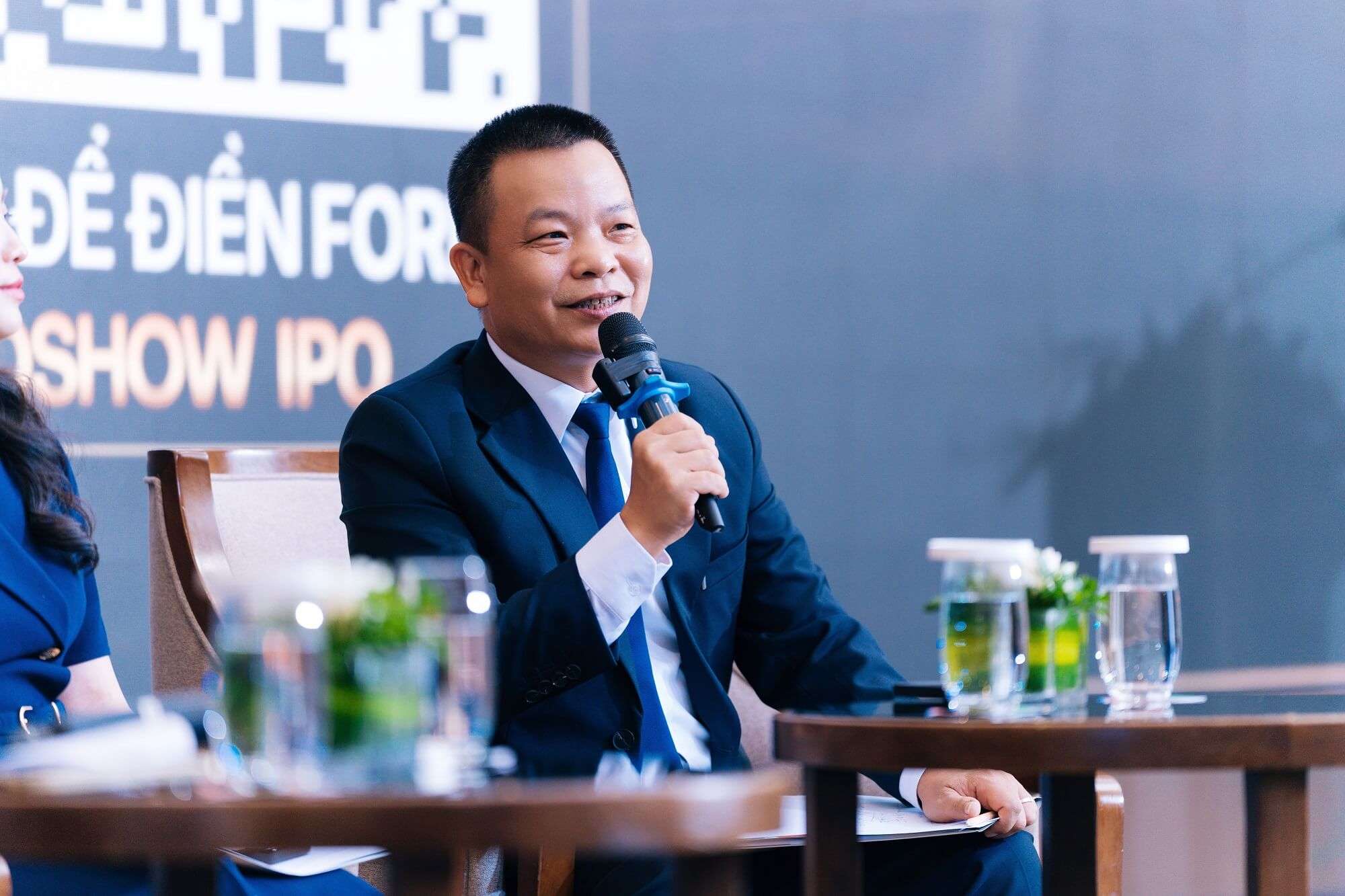
IPO AMY GRUPO - Key Information Every Investor Should Know
Against the backdrop of renewed investor interest in manufacturing companies with solid operational foundations and long-term growth strategies, AMY GRUPO's Initial Public Offering (IPO) has attracted considerable attention from the investment community. According to industry experts, beyond reviewing financial performance, investors should evaluate a company's overall growth strategy, capital allocation plan, and competitive strengths before making an investment decision.
So, what are the key factors investors should consider before participating in AMY GRUPO's IPO?
View Details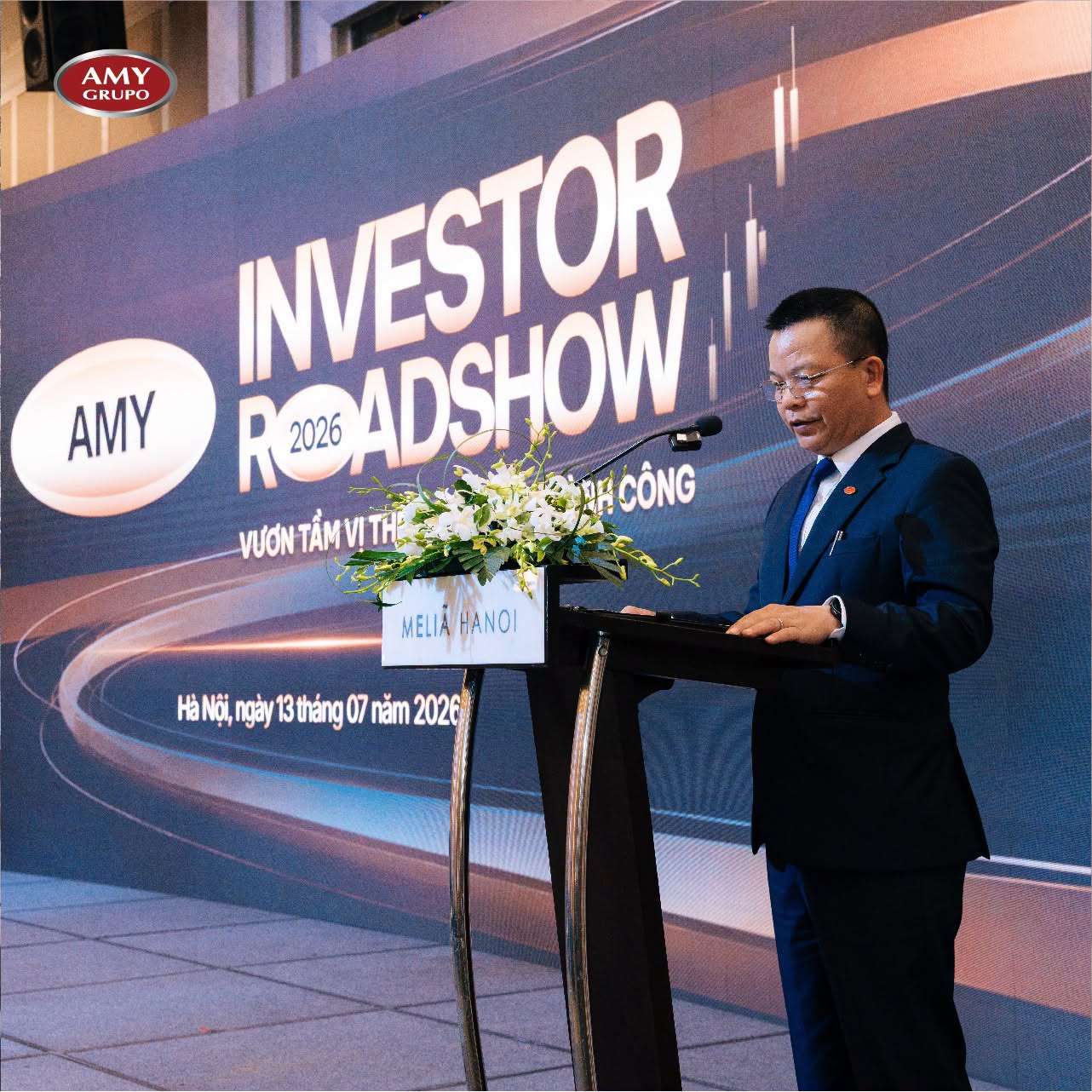
AMY GRUPO Hosts Investor Roadshow 2026: "Elevating Position – Spreading Success"
On July 13, 2026, AMY Industry Joint Stock Company (AMY GRUPO) hosted the AMY GRUPO Investor Roadshow 2026 under the theme "Elevating Position – Spreading Success" at Meliá Hanoi Hotel.
View Details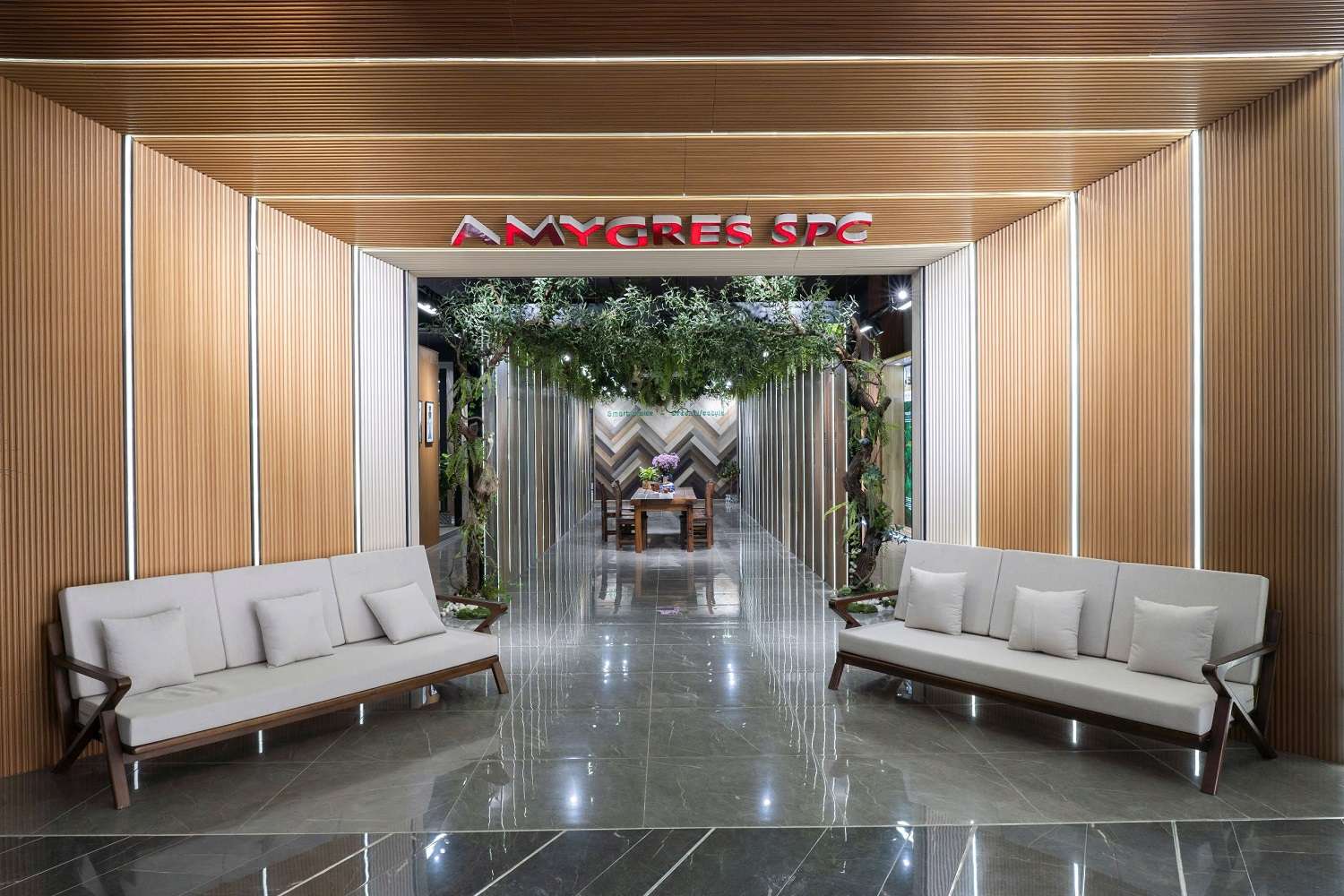
A Building Materials Conglomerate with Billion-Dollar Revenue Ambitions Is Ready for Its IPO
As Vietnam’s stock market continues to welcome large-scale manufacturing enterprises, AMY GRUPO is preparing to make a significant debut with its Initial Public Offering (IPO) and planned listing on the Ho Chi Minh Stock Exchange (HOSE) in 2026. This milestone marks the company's transformation from a fast-growing industrial manufacturer into a publicly listed corporation with ambitions to expand on a global scale.
View Details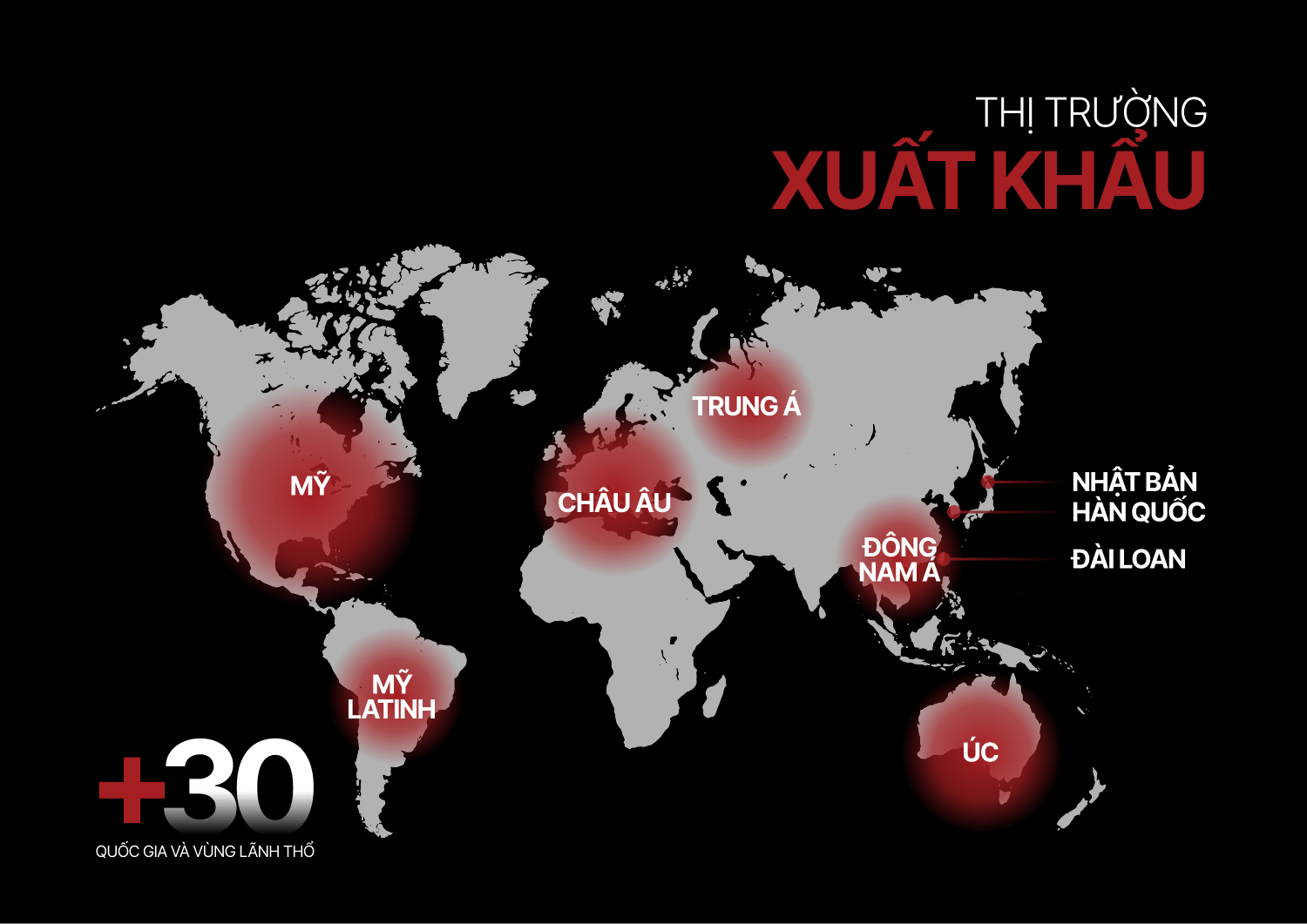
AMY GRUPO Officially Receives IPO Approval – Laying the Foundation for Sustainable Growth and an Attractive Investment Opportunity in the Stock Market
After more than a decade of development, AMY GRUPO has reached a significant milestone by officially receiving the Certificate of Registration for the Initial Public Offering (IPO) from the State Securities Commission of Vietnam (SSC).
View Details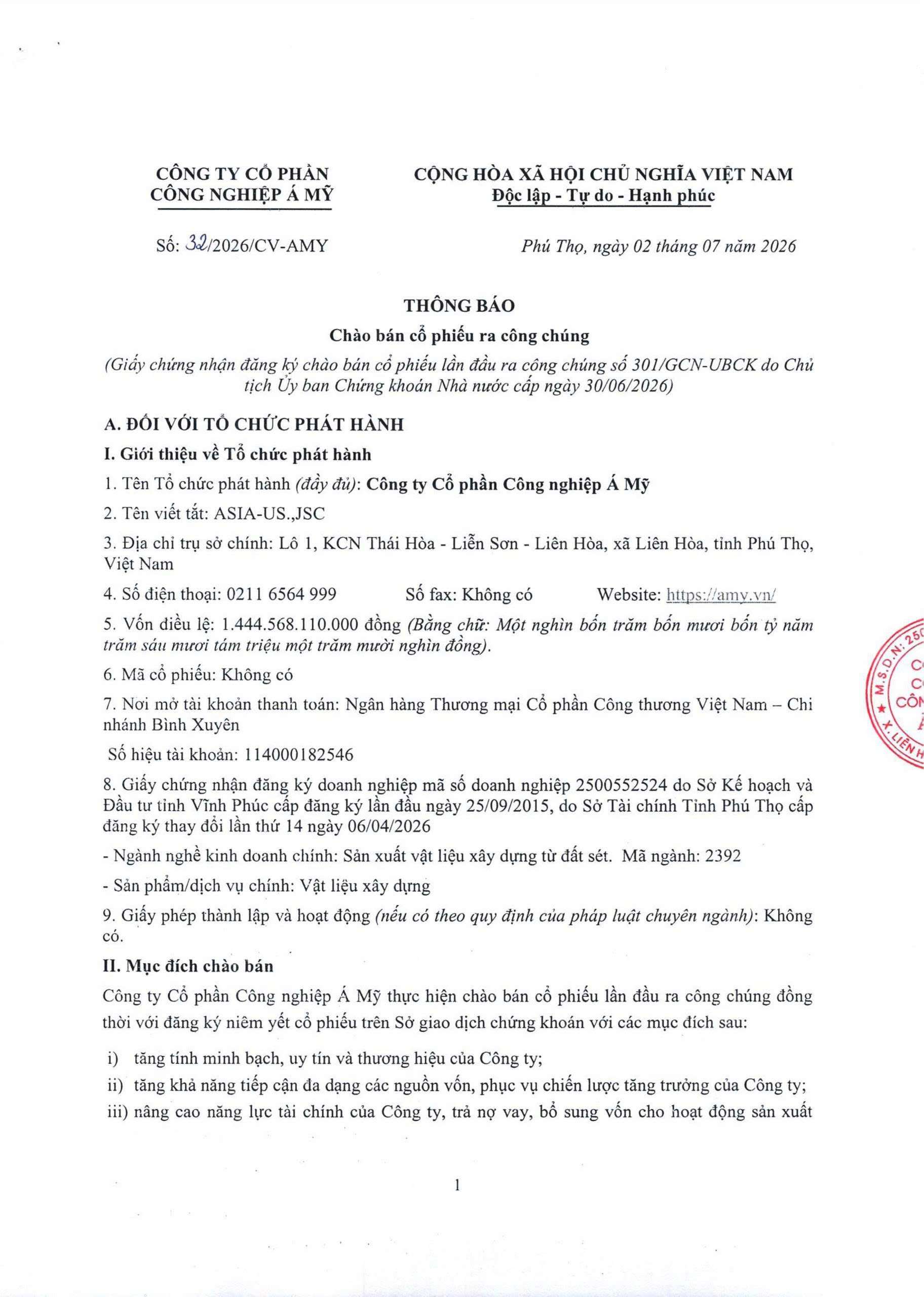
ASIA-US INDUSTRIAL JOINT STOCK COMPANY (AMY GRUPO) Announces the Initial Public Offering (IPO) of 16,100,000 Shares (Phase 1)
View Details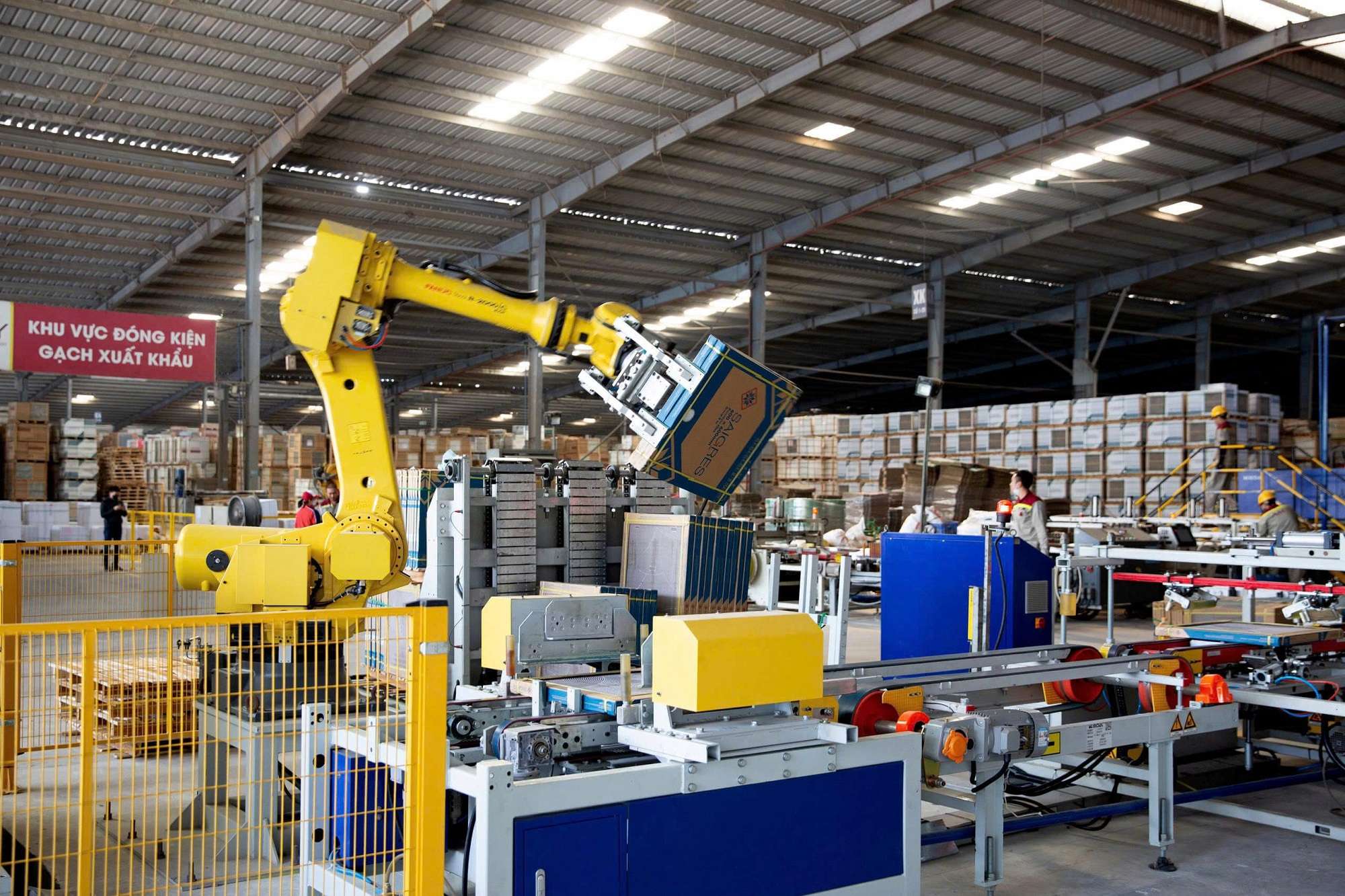
Strong Growth with Trillion-VND Profit Target: Another Vietnamese Enterprise Prepares for IPO
Having successfully navigated the market consolidation period in the export sector during early 2026, AMY GRUPO maintained its strong growth momentum in the first quarter. This performance demonstrates the effectiveness of the Group's strategy to diversify its markets, optimize operational efficiency, and advance toward complete control of its global supply chain.
View Details
Vietnam’s Building Materials Industry Enters a New Growth Cycle: Value Creation Becomes the New Competitive Advantage
After years of being affected by the slowdown of the real estate market, oversupply pressures, and rising input costs, Vietnam’s building materials industry is entering a new recovery cycle. However, as the competitive advantage derived from production capacity gradually narrows, market leadership is increasingly shifting toward companies capable of creating added value through technology, management excellence, and integrated product ecosystems.
View Details