Cart
News
Releases

Vietnam’s Building Materials Industry Enters a New Growth Cycle: Value Creation Becomes the New Competitive Advantage
After years of being affected by the slowdown of the real estate market, oversupply pressures, and rising input costs, Vietnam’s building materials industry is entering a new recovery cycle. However, as the competitive advantage derived from production capacity gradually narrows, market leadership is increasingly shifting toward companies capable of creating added value through technology, management excellence, and integrated product ecosystems.
A New Recovery Cycle and New Competitive Standards for the Building Materials Industry
The year 2026 is considered a pivotal year in Vietnam’s medium-term public investment cycle for the 2026–2030 period, with planned public investment expected to exceed VND 1 quadrillion. At the same time, the real estate market is gradually recovering, particularly in social housing, transportation infrastructure, and industrial real estate segments.
These positive signals have already been partially reflected in the industry's production performance in 2025. Ceramic tile output reached approximately 550 million square meters, up 9% year-on-year, while consumption totaled around 485 million square meters. Construction glass production reached approximately 158 million square meters, representing a 7.5% increase, while sanitary ware recorded double-digit growth in both production and consumption.
From a macroeconomic perspective, Vietnam’s construction industry expanded by 9.62% in 2025, exceeding the overall economic growth rate and continuing to play a vital role within the industrial and construction sector, which accounts for approximately 37.65% of the nation’s GDP.
Nevertheless, the industry’s recovery remains accompanied by significant challenges. Most building material factories are currently operating at only about 60% of their designed capacity, while certain segments, such as cement, continue to face prolonged oversupply. In addition, geopolitical uncertainties, rising logistics costs, new trade barriers, and increasingly stringent sustainability requirements are creating further pressure on manufacturers.
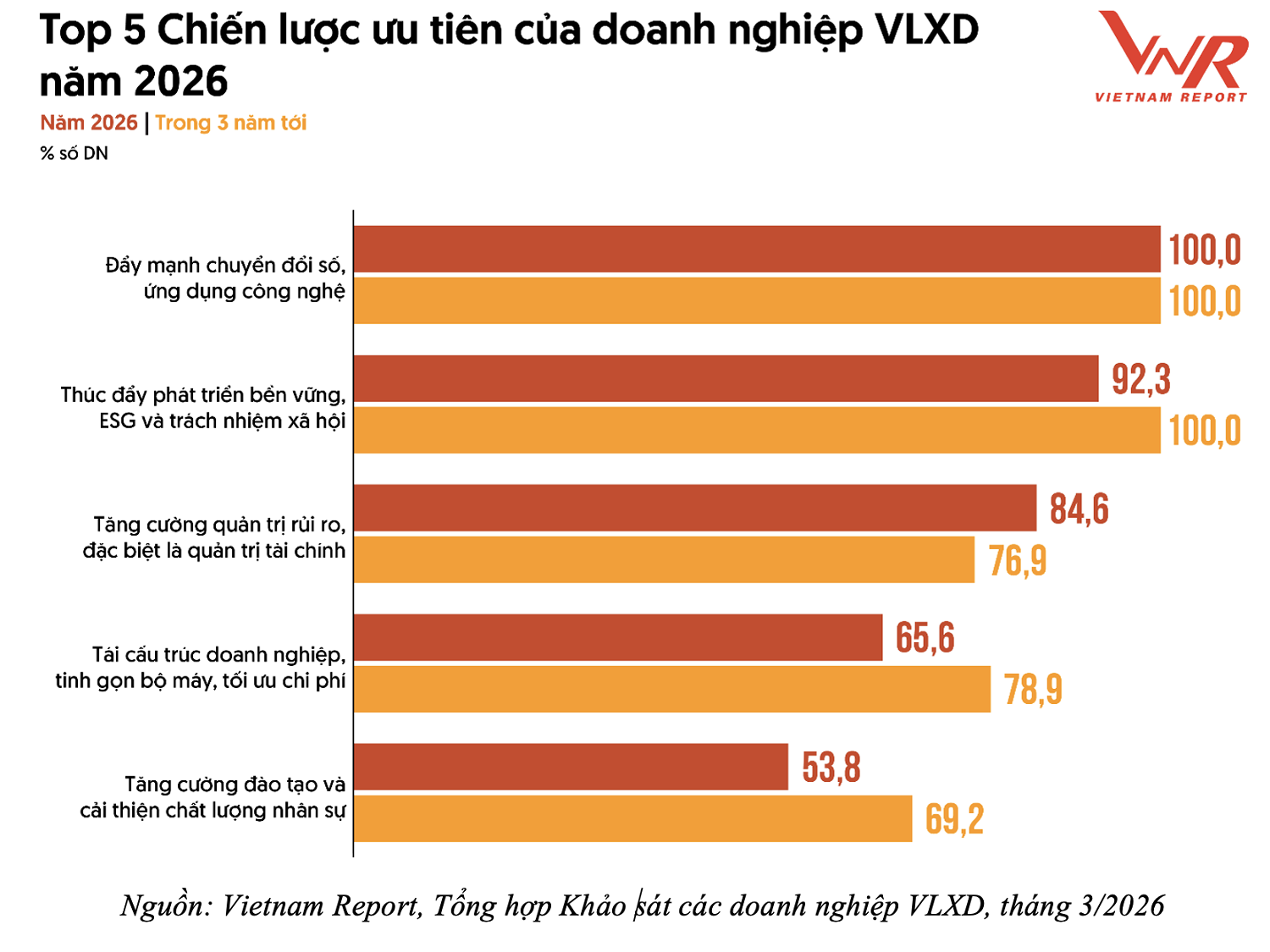
These factors indicate that the industry’s competitive dynamics are shifting from production capacity and pricing toward product quality, management capability, technological innovation, and the ability to meet international standards. According to Vietnam Report, 100% of building material companies are implementing digital transformation initiatives, while 92.3% identify ESG and sustainable development as strategic priorities.
AMY GRUPO and Its Growth Foundation Through an Integrated Finishing Materials Ecosystem
This transition from scale-based competition to value-added competition is creating advantages for businesses that possess strong manufacturing capabilities, diversified product ecosystems, and continuous innovation capacity. This development path is clearly evident in AMY GRUPO’s strategy over recent years.
Vietnam ranks among the world’s top ten ceramic tile-producing countries, with total installed capacity exceeding 800 million square meters annually. AMY GRUPO accounts for approximately 3% of the industry’s total installed capacity, providing a solid manufacturing foundation for deeper participation in both domestic and international markets.
A notable aspect of the company’s strategy lies in its integrated finishing materials ecosystem. In addition to ceramic tiles, AMY GRUPO has expanded into sintered stone, glazed ceramic roofing tiles, vinyl flooring, flooring solutions, and wall panel products. This diversified product portfolio enables the company to serve multiple customer segments while offering comprehensive finishing solutions for construction projects.
Furthermore, a network of more than 34 exclusive domestic distributors and 35 international export partners has expanded market coverage and strengthened customer accessibility. As competition intensifies, product ecosystems and distribution networks are becoming increasingly important advantages, creating more effective barriers to entry than merely expanding manufacturing capacity.
Added Value Becomes the New Competitive Advantage
According to the company’s management, AMY GRUPO has invested millions of US dollars in R&D centers specializing in ceramic and composite materials. The company also collaborates with technology partners from Italy and Spain, reducing its technology upgrade cycle to approximately six months-significantly shorter than the industry average.

Continuous technological advancement enables the company to maintain two critical yet often difficult-to-balance objectives: internationally recognized product quality and competitive production costs.
At the same time, its ecosystem-based business model enhances cross-selling opportunities, expands customer segments, and increases value generation per project. This approach is increasingly being adopted by leading global building materials groups as a means of reducing dependence on a single product category.
As growth opportunities from production capacity expansion become more limited, the ability to extend and strengthen the value chain is emerging as a key factor in evaluating long-term business potential.
ESG and Digital Transformation: Raising Governance Standards
Beyond competing on product quality and technology, the global building materials industry is also undergoing a significant green transformation. According to international research organizations, the global green building materials market is projected to approach USD 600 billion in 2026, growing substantially faster than conventional building materials.
Mr. Nguyen Quang Hiep, Director of the Institute for Building Materials, stated that businesses should continue accelerating the adoption of science and technology while developing high-performance, environmentally friendly materials to meet the requirements of the next growth phase.
For AMY GRUPO, compliance with international standards has been a long-standing priority. The company currently holds various international certifications, including British Standards and FloorScore, enabling its products to access demanding markets such as North America and Europe.
Simultaneously, AMY GRUPO is accelerating digital transformation across manufacturing operations, logistics management, customer management, and human resources. These initiatives enhance operational efficiency and governance transparency - factors that investors increasingly consider when assessing the quality and sustainability of corporate growth.
Growth Drivers from Domestic to International Markets
The outlook for Vietnam’s building materials industry remains supported by multiple growth drivers in the years ahead. Domestically, urbanization, infrastructure development, housing demand, industrial real estate expansion, and the ongoing trend toward improving living environments continue to create opportunities for finishing materials.
Internationally, significant opportunities are emerging for companies with world-class manufacturing capabilities, internationally recognized certifications, and a clear ESG strategy. For AMY GRUPO, its existing presence in demanding markets such as North America and Europe provides a considerable advantage when entering new markets. By already meeting some of the world’s most rigorous standards, the company can shorten market entry timelines while reducing compliance costs and commercial risks.
As the building materials industry transitions from growth driven by scale to growth driven by efficiency, technology, and value creation, companies with integrated product ecosystems, strong innovation capabilities, and sustainable development strategies are expected to enjoy greater long-term growth potential. AMY GRUPO’s development journey reflects the broader transformation currently taking place across Vietnam’s building materials industry.
Related News

AMY GRUPO Ahead of Its IPO: From a Building Materials Manufacturer to a Billion-Dollar Revenue Growth Story
In 2025, AMY GRUPO generated nearly VND 7 trillion in revenue, with more than 75% coming from international markets. In Q1 2026, the company continued to record strong growth of over 36%. According to Vietcap's forecasts, AMY GRUPO's revenue and profit could achieve compound annual growth rates (CAGR) of 23% and 24%, respectively, during the 2025-2028 period.
View Details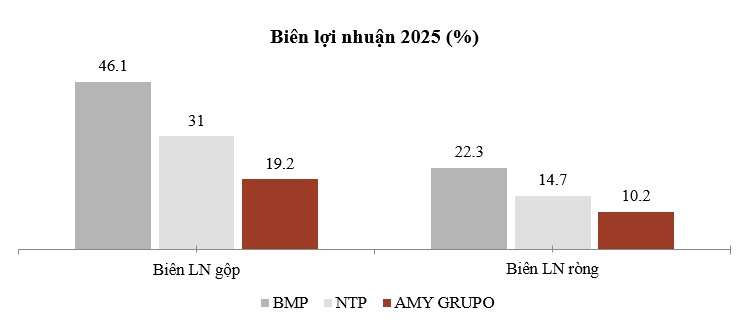
AMY GRUPO: A Young Company Surpassing Two Plastic Industry “Giants,” with Near-Leading ROE and Outstanding Cash Flow Conversion
Compared with two leading listed plastic industry companies with strong operating performance, AMY GRUPO presents a notable growth story: its revenue has risen to the top of the peer group, its ROE is approaching that of industry leaders, and its operating cash flow demonstrates outstanding conversion from earnings. The margin pressures seen in 2025 primarily reflected trade policy factors and the characteristics of export markets, rather than a deterioration in the company’s underlying operational fundamentals.
View Details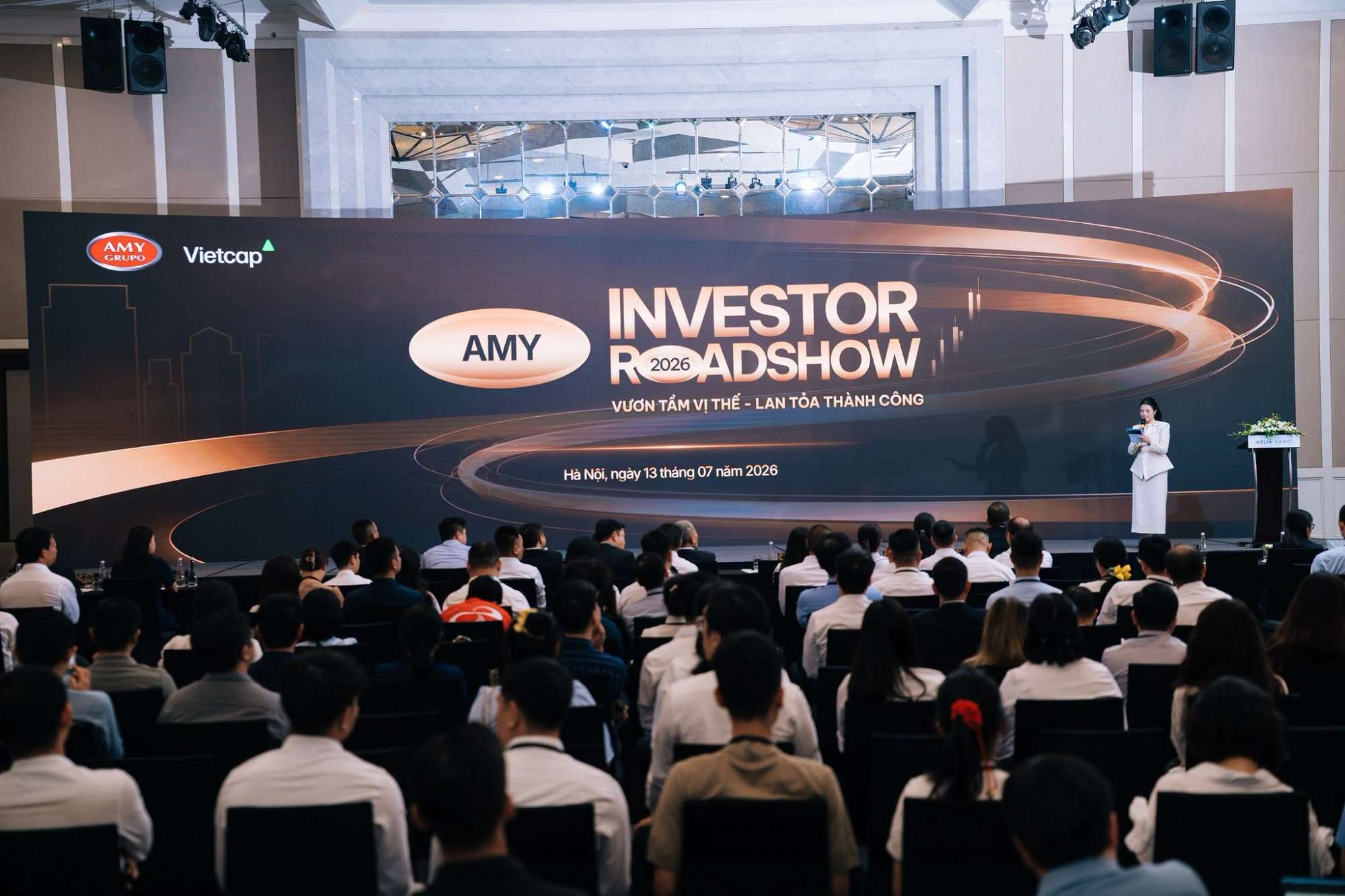
Vietcap: AMY GRUPO Poised to Enter a New Growth Cycle
After 10 years of development, AMY GRUPO is entering a new phase of growth with its planned initial public offering (IPO), with the company targeting a listing on the Ho Chi Minh City Stock Exchange (HOSE) under the ticker AMY, expected in Q4 2026.
View Details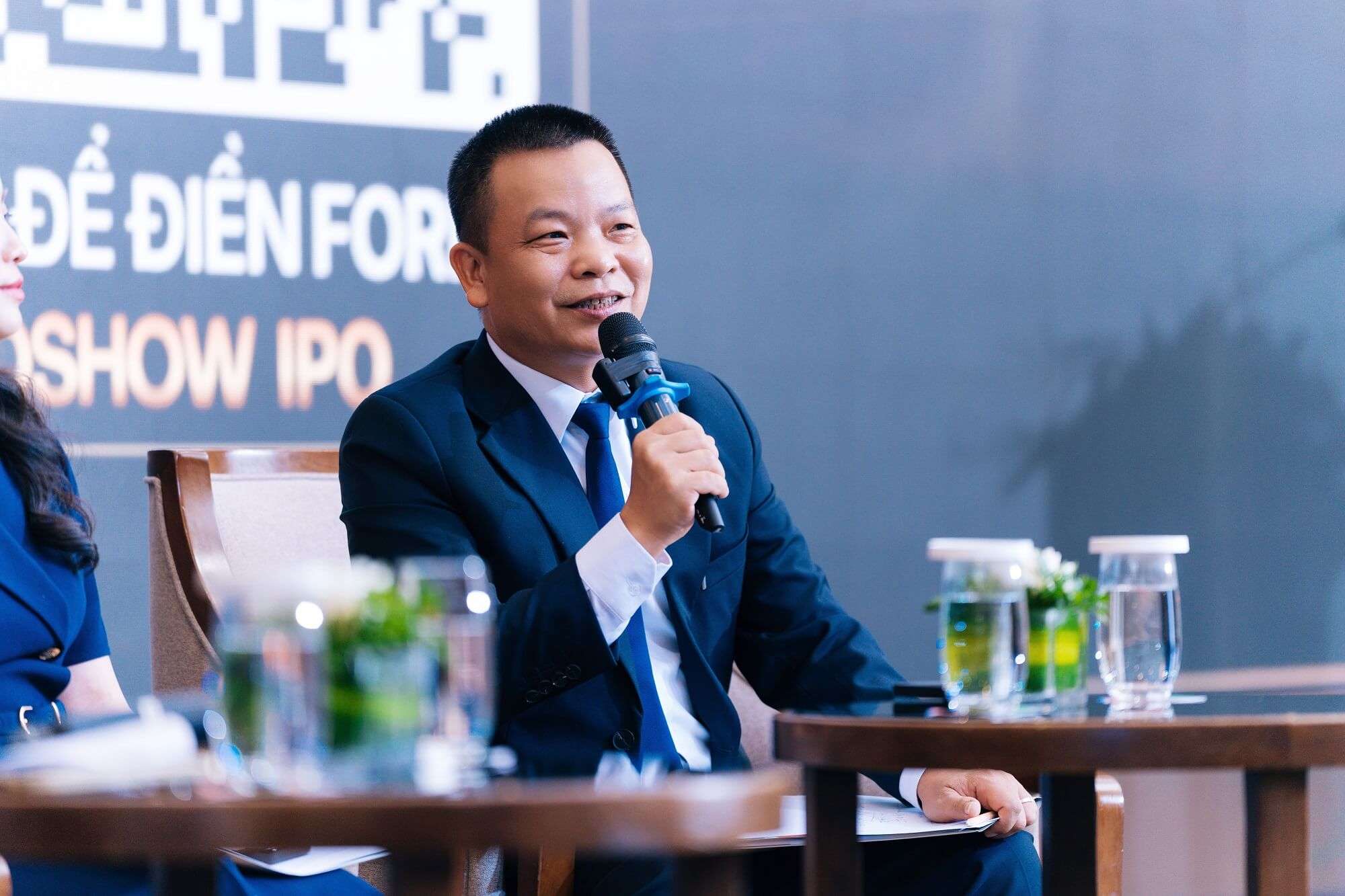
IPO AMY GRUPO - Key Information Every Investor Should Know
Against the backdrop of renewed investor interest in manufacturing companies with solid operational foundations and long-term growth strategies, AMY GRUPO's Initial Public Offering (IPO) has attracted considerable attention from the investment community. According to industry experts, beyond reviewing financial performance, investors should evaluate a company's overall growth strategy, capital allocation plan, and competitive strengths before making an investment decision.
So, what are the key factors investors should consider before participating in AMY GRUPO's IPO?
View Details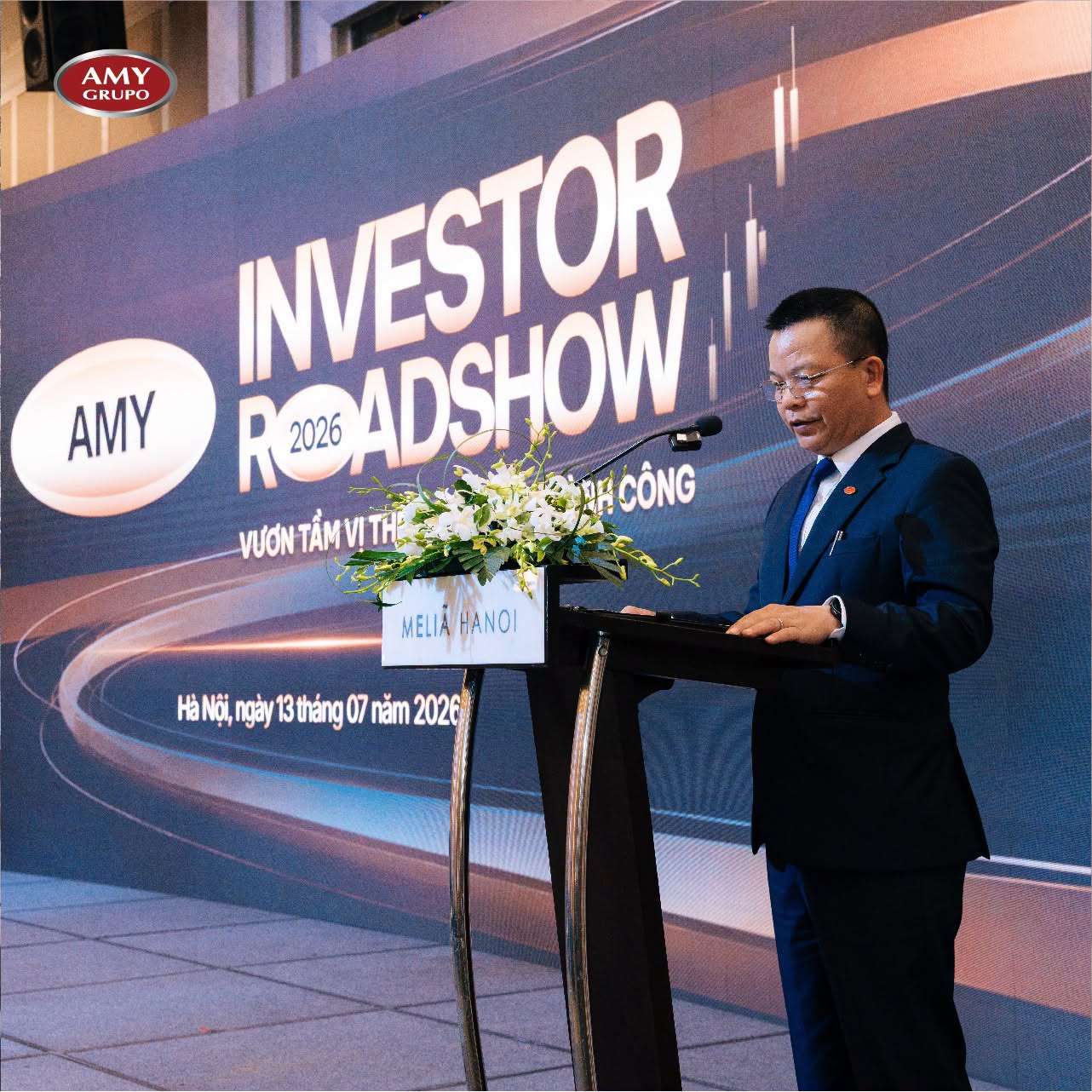
AMY GRUPO Hosts Investor Roadshow 2026: "Elevating Position – Spreading Success"
On July 13, 2026, AMY Industry Joint Stock Company (AMY GRUPO) hosted the AMY GRUPO Investor Roadshow 2026 under the theme "Elevating Position – Spreading Success" at Meliá Hanoi Hotel.
View Details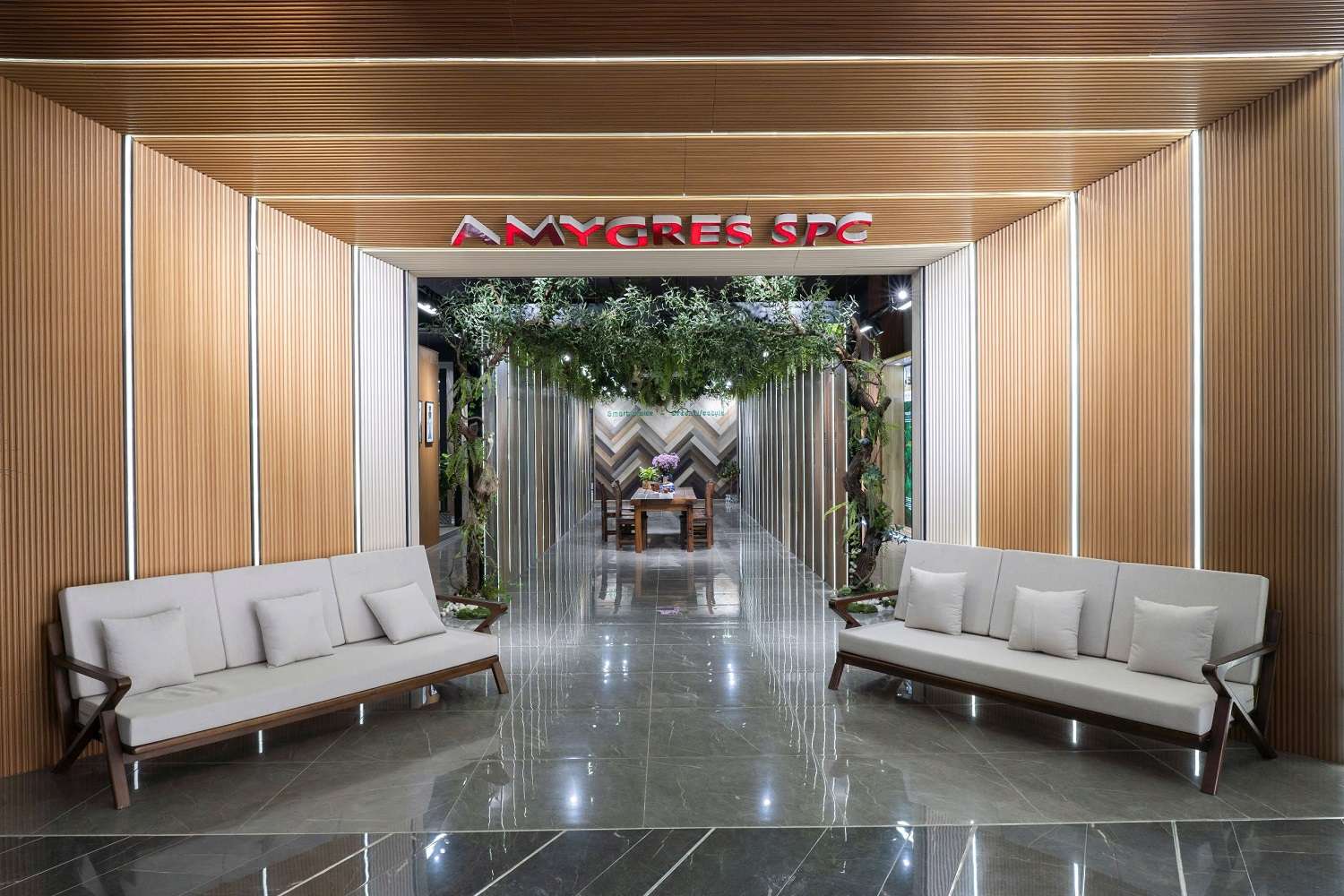
A Building Materials Conglomerate with Billion-Dollar Revenue Ambitions Is Ready for Its IPO
As Vietnam’s stock market continues to welcome large-scale manufacturing enterprises, AMY GRUPO is preparing to make a significant debut with its Initial Public Offering (IPO) and planned listing on the Ho Chi Minh Stock Exchange (HOSE) in 2026. This milestone marks the company's transformation from a fast-growing industrial manufacturer into a publicly listed corporation with ambitions to expand on a global scale.
View Details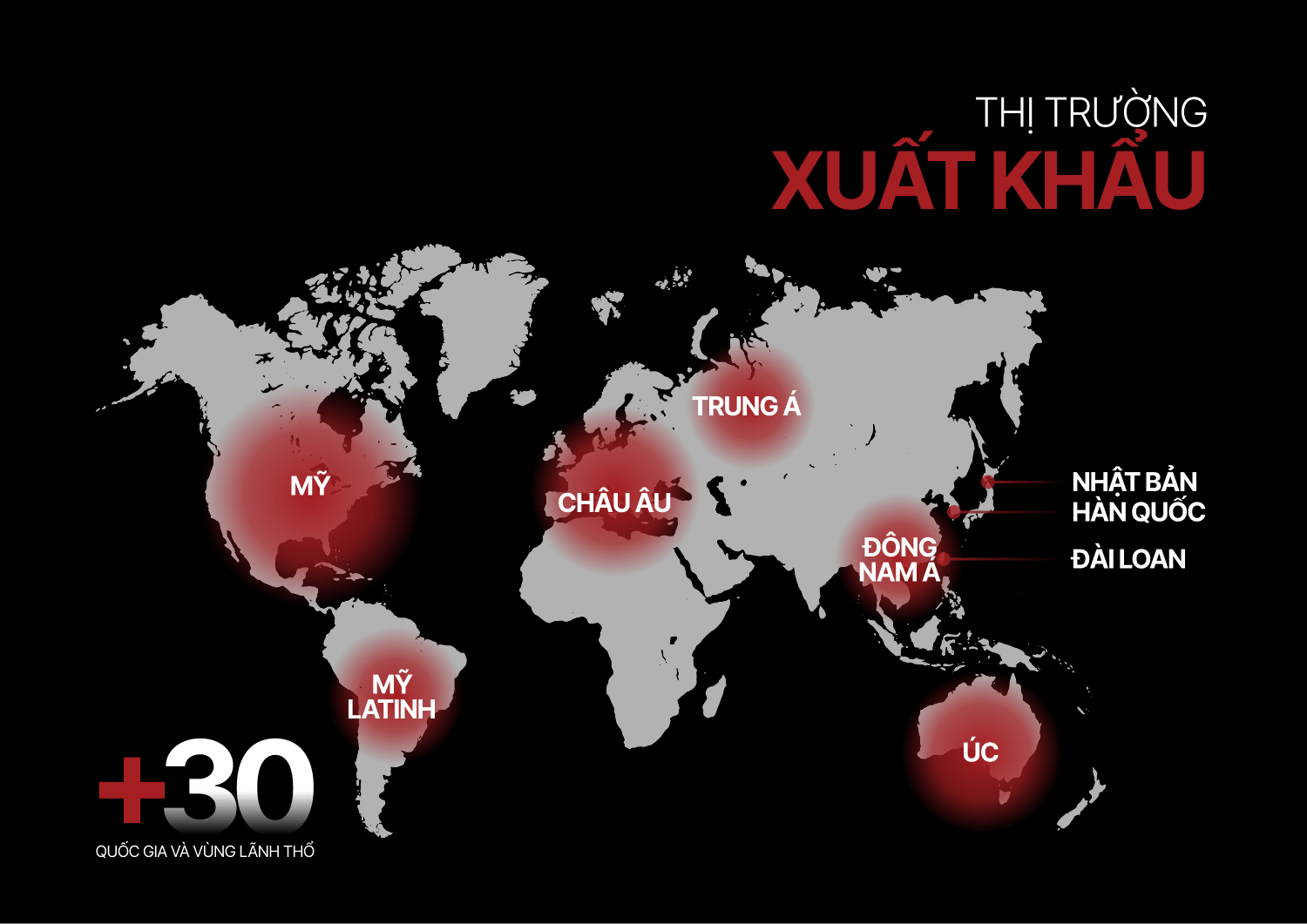
AMY GRUPO Officially Receives IPO Approval – Laying the Foundation for Sustainable Growth and an Attractive Investment Opportunity in the Stock Market
After more than a decade of development, AMY GRUPO has reached a significant milestone by officially receiving the Certificate of Registration for the Initial Public Offering (IPO) from the State Securities Commission of Vietnam (SSC).
View Details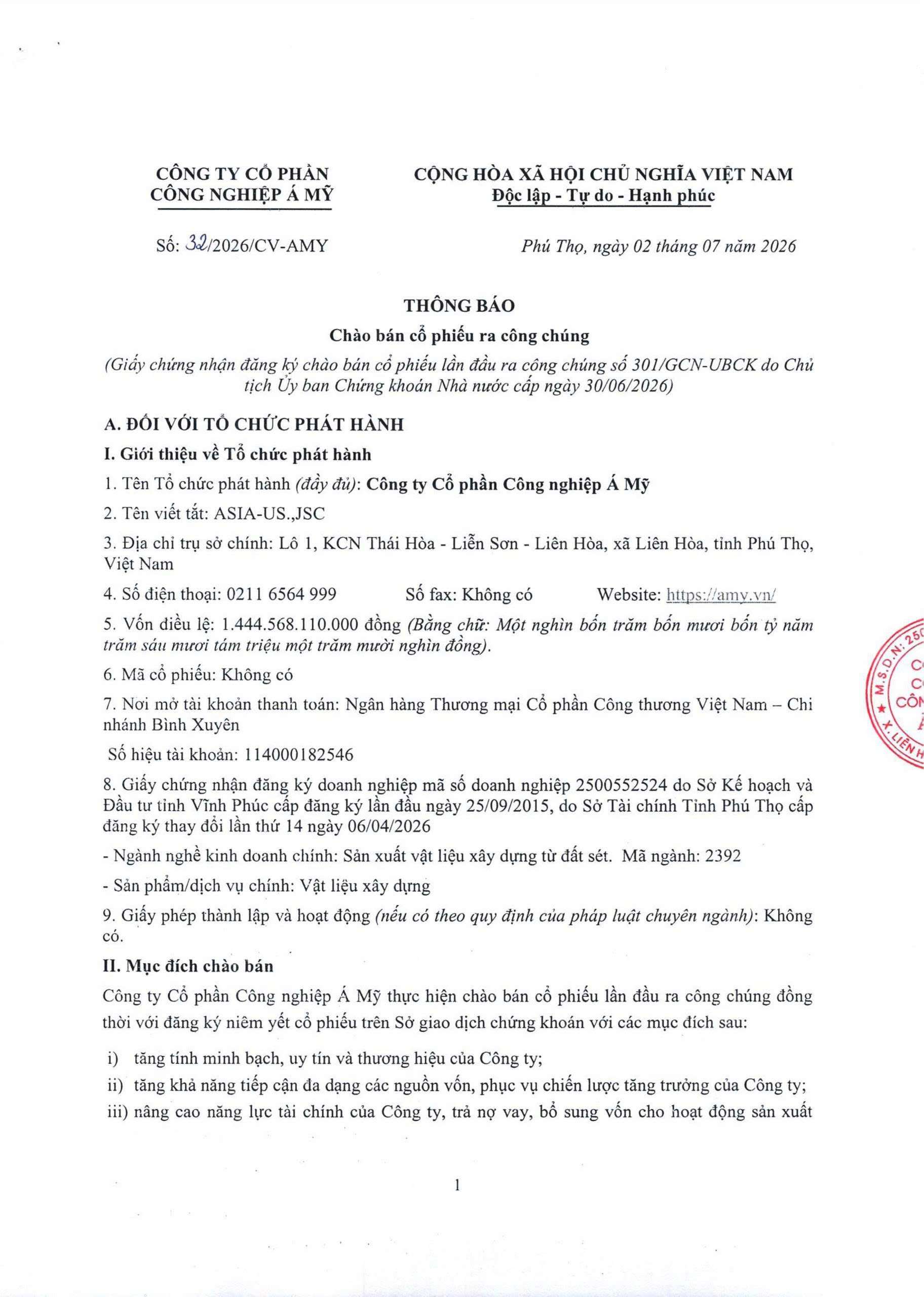
ASIA-US INDUSTRIAL JOINT STOCK COMPANY (AMY GRUPO) Announces the Initial Public Offering (IPO) of 16,100,000 Shares (Phase 1)
View Details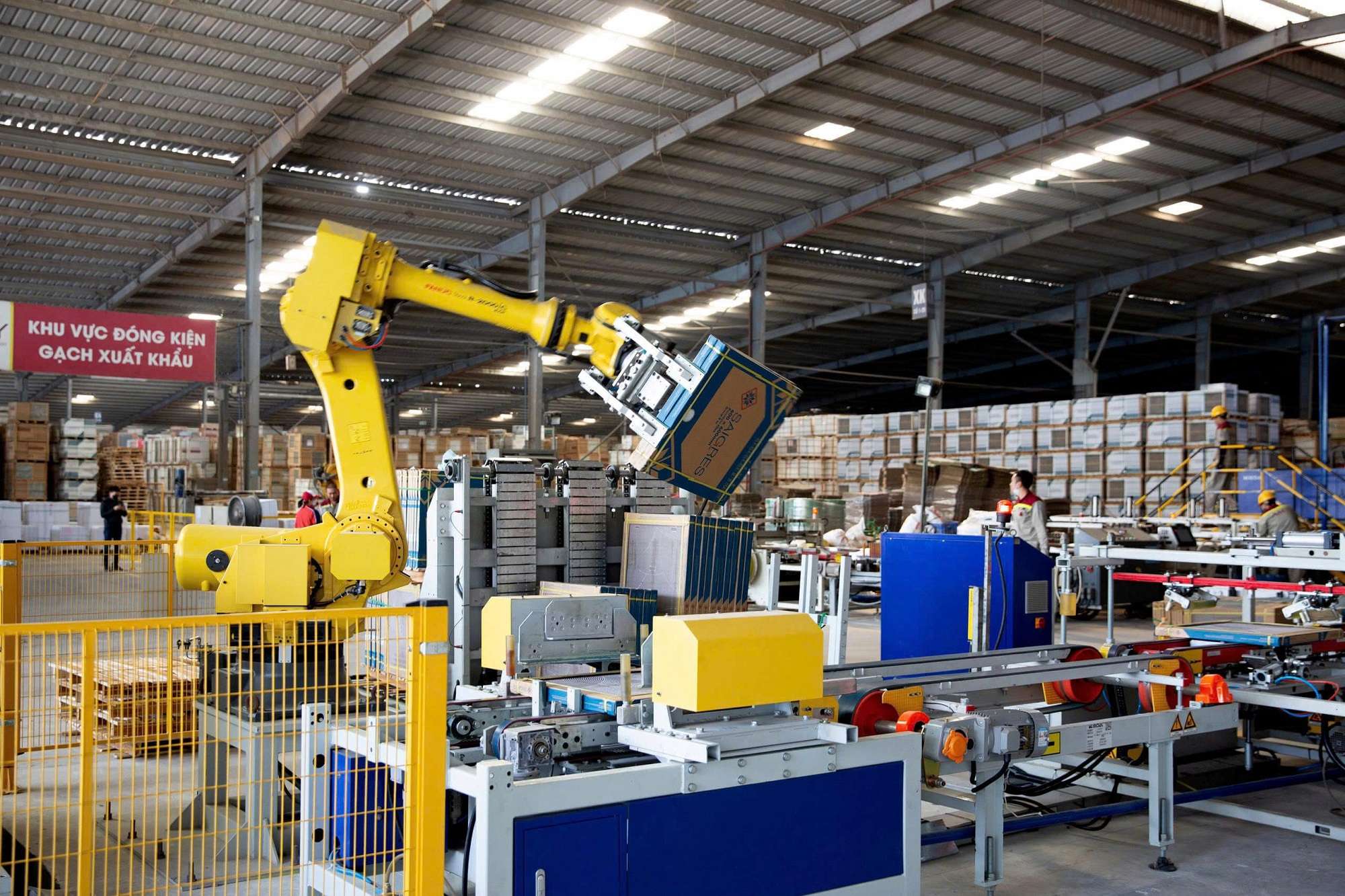
Strong Growth with Trillion-VND Profit Target: Another Vietnamese Enterprise Prepares for IPO
Having successfully navigated the market consolidation period in the export sector during early 2026, AMY GRUPO maintained its strong growth momentum in the first quarter. This performance demonstrates the effectiveness of the Group's strategy to diversify its markets, optimize operational efficiency, and advance toward complete control of its global supply chain.
View Details