Cart
News
Releases

Optimizing Supply Chains with AI Technology and a Sustainable Orientation
VTV.vn - Technology is helping businesses forecast, analyze, diversify, and develop green and sustainable supply chains.
On May 5, a series of thematic seminars focusing on key issues in the building materials industry amid the transition to a new stage of development — from supplying individual products to providing comprehensive material ecosystems, alongside the rapid advancement of technology — was organized by Amy Grupo in Hanoi.
Among them, the seminar on strategic supply chains, featuring discussions centered on resource optimization and solving supply chain challenges in the context of the rapid development of artificial intelligence, attracted significant attention.
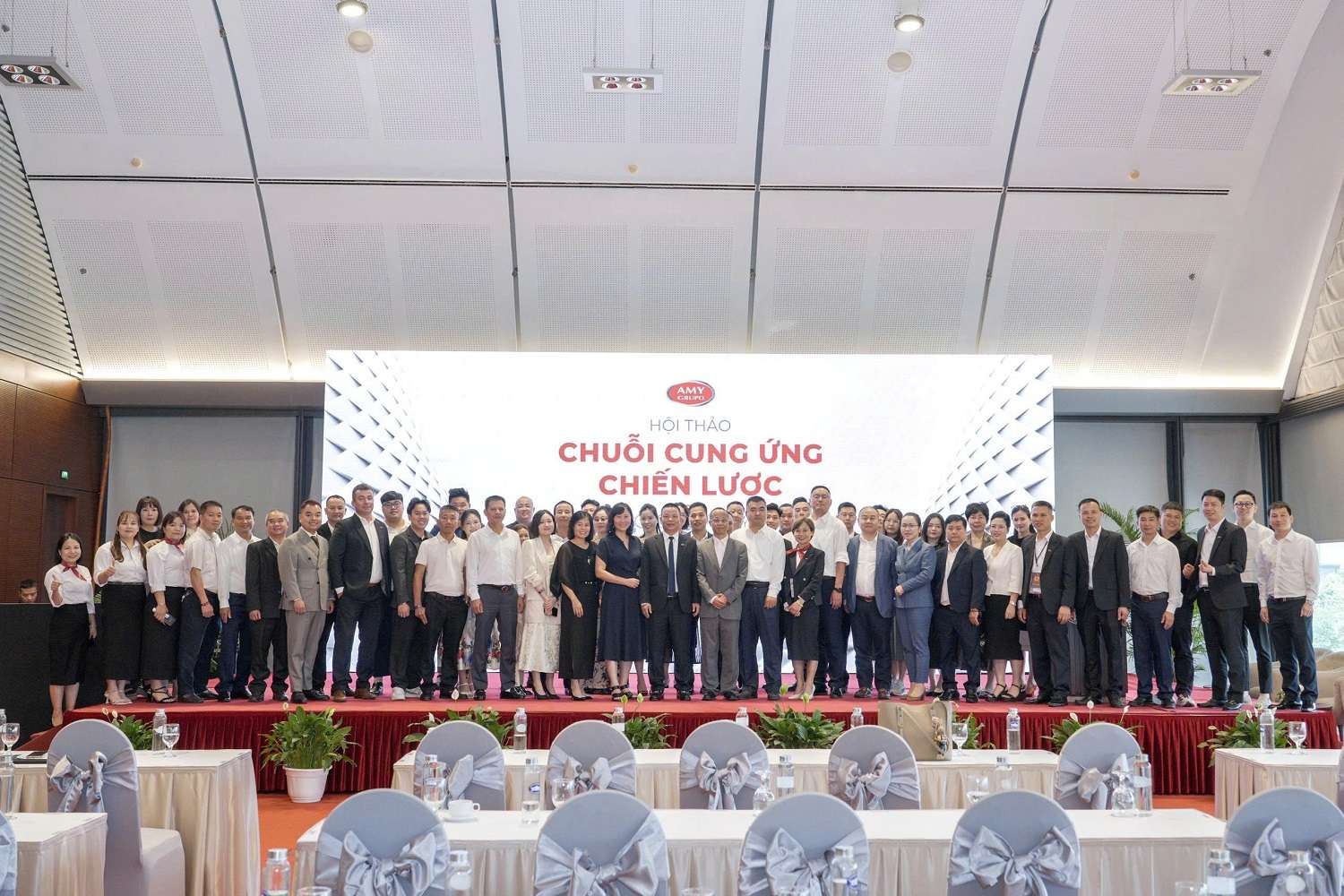
At the seminar, Ms. Luong Thi Thu Phuong, Chairwoman of the Board of Directors of Gom A My Hoa Son and Head of Purchasing, stated that, fundamentally, supply chain management is the process of designing and operating systems to create long-term competitive advantages, revolving around three core objectives: optimizing costs, ensuring service quality and delivery time, and enhancing resilience against disruptions caused by fluctuations.

In particular, the hybrid management model — which both optimizes costs and ensures flexibility — is becoming the dominant trend, requiring businesses to continuously adjust inventory and sourcing strategies to adapt to economic, political, and raw material market fluctuations.
In addition, current prominent trends include the application of AI in forecasting and data analysis, diversification and localization of supply sources, the development of green and sustainable supply chains, as well as the utilization of real-time data.
Based on this foundation, Amy Grupo has developed a growth strategy focusing on key priorities such as developing strategic suppliers, building a closed-loop supply chain, optimizing inventory management, controlling pricing based on data, and promoting sustainable development.
Notably, the “green” factor is not only a requirement from export markets but also a long-term orientation of the company. The enterprise has implemented numerous solutions, such as using renewable energy and optimizing operations to reduce costs and improve efficiency. At the same time, it continuously optimizes raw material costs through the hot gas recirculation system of kilns and the utilization of agricultural and forestry by-products to replace fossil fuels, thereby contributing to carbon emission reduction.
Artificial intelligence is not only impacting supply chains but also influencing material trends in the new era.
Architect Tran Le Quoc Binh, Founder and CEO of QBI Corp, believes that as the AI wave continues to grow strongly, materials will diverge into two distinct directions: one focusing on craftsmanship and celebrating uniqueness, and the other on industrial products serving the mass market. For industrial product lines, the key factor in convincing customers is giving them personalized choices.
This can be achieved by developing accompanying material sets that allow users to flexibly combine components — such as connectors, accent materials, accessories, and more — enabling them to create distinctive solutions even while using industrial products.
Architect Tran Le Quoc Binh also pointed out another trend known as “quiet luxury” — refined, understated elegance. Materials will no longer emphasize large patterns or overly obvious imitations of natural textures, but instead focus on surfaces, tactile sensations, and finishing quality.
In addition, sustainability trends will increasingly be evaluated from the perspective of energy efficiency indicators. A “green” material is not only defined by the material itself, but also by its entire lifecycle — from production, installation, and operation to recycling.
According to Vietnam Television (VTV)
Related News

AMY GRUPO Celebrates Its 10-Year Journey: Building a Material Ecosystem – Breaking Through with a Sustainable Value Chain
View Details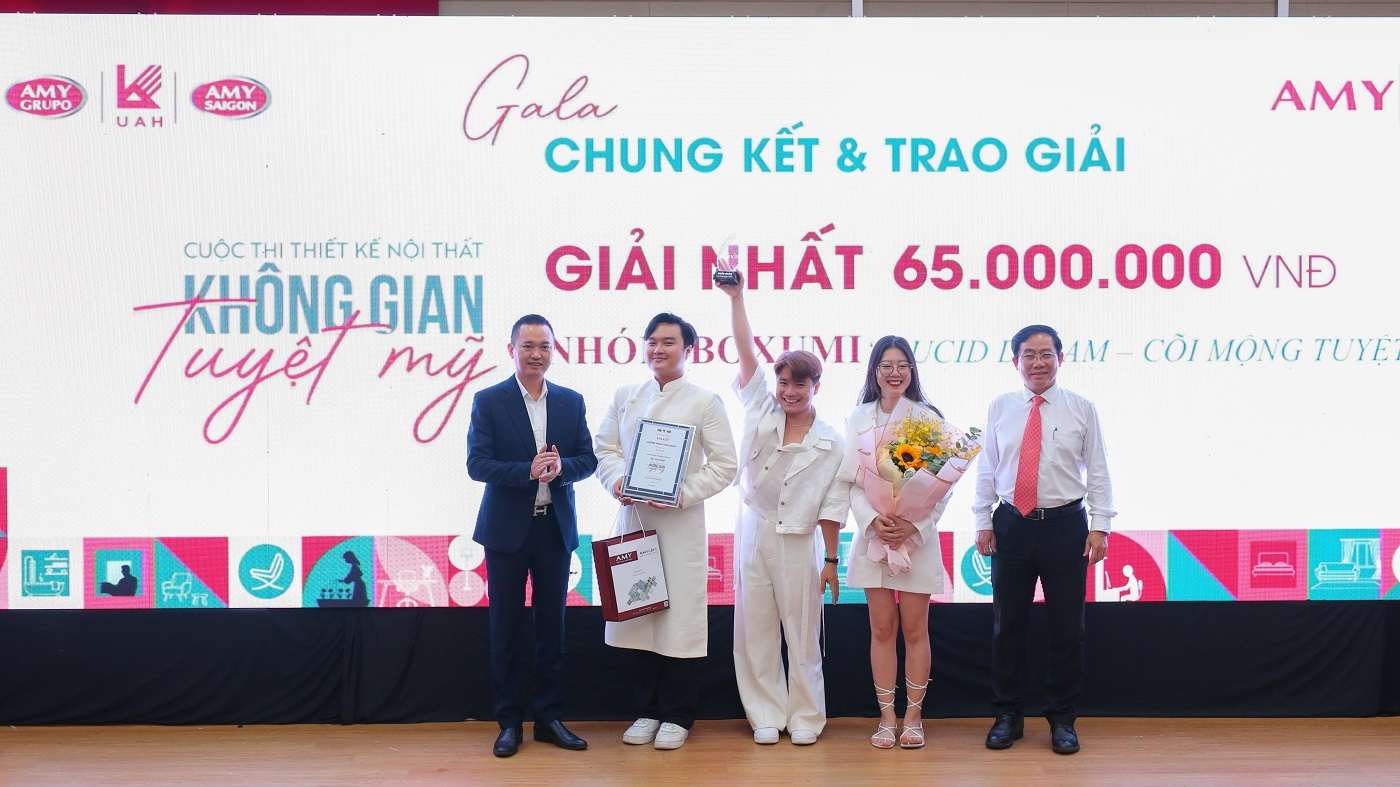
“The magnificent dreamland” by the Boxumi team won First Prize at the Amy Design Award 2022
After three months of launching the competition “Designing the Perfect Interior Space” – Amy Design Award, the contest attracted a large number of designers, architects, and students majoring in interior design and architecture from across the country.
View Details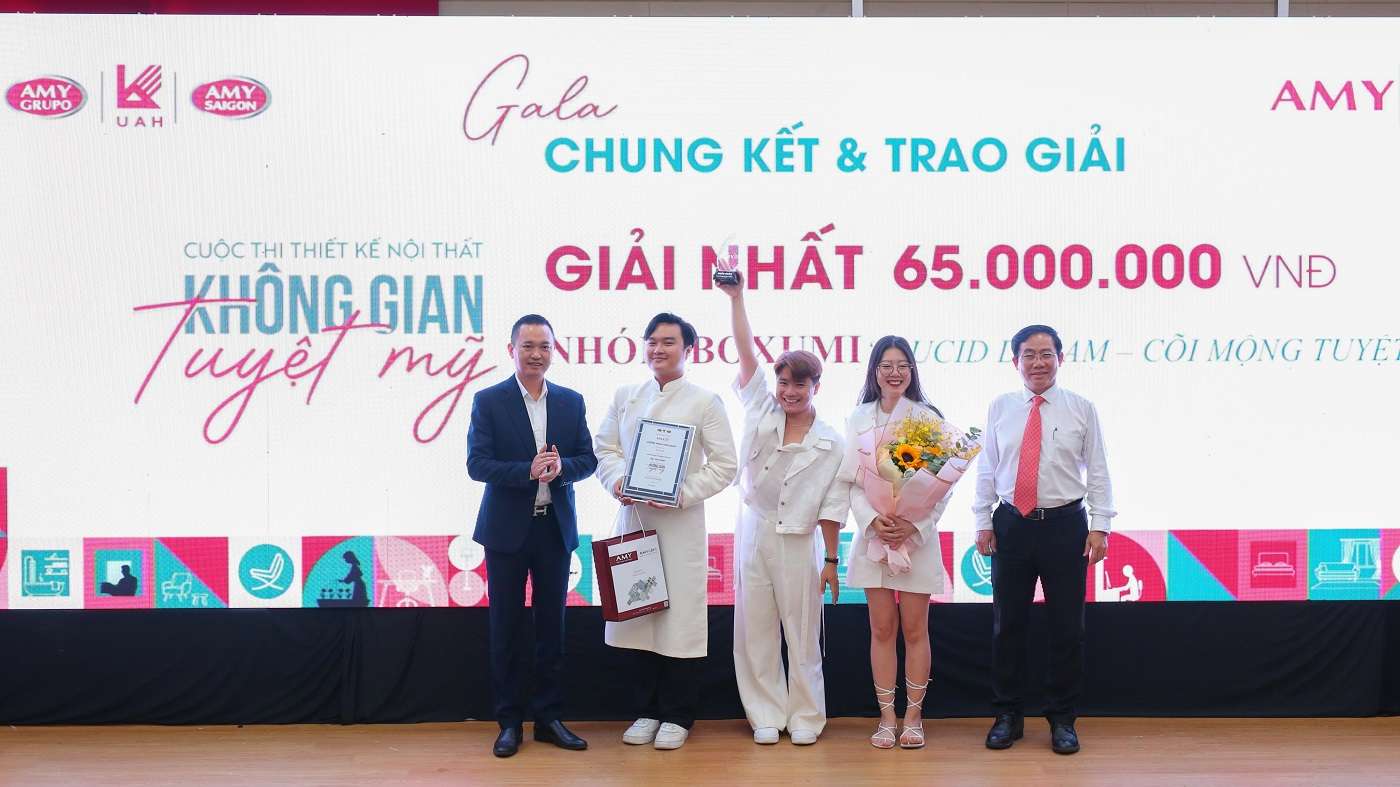
The Gala Final and Awards Ceremony of Amy Design Award 2022
On the afternoon of February 18, AMY GRUPO, in collaboration with AMY SAIGON and Ho Chi Minh City University of Architecture, organized the final round of the Amy Design Award 2022.
View Details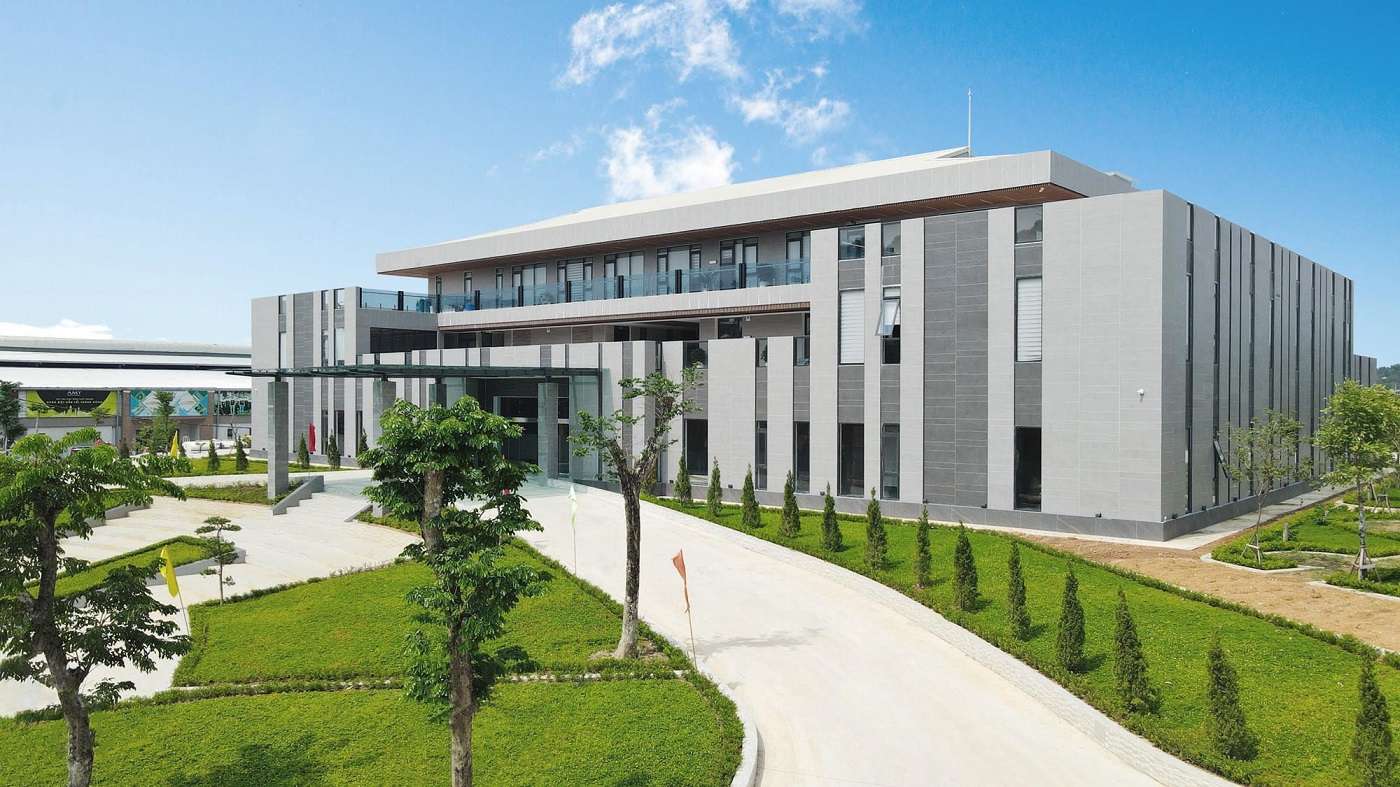
AMY GRUPO: From a Vietnamese Brand to a Global Name
In just six years since its establishment, AMY GRUPO has grown into an industrial conglomerate specializing in the manufacturing and trading of building materials, firmly establishing its brand in the market. Today, AMY GRUPO continues to write the story of Vietnamese enterprises reaching global heights amid the new context of Vietnam’s economy, joining the arena of global branding.
View Details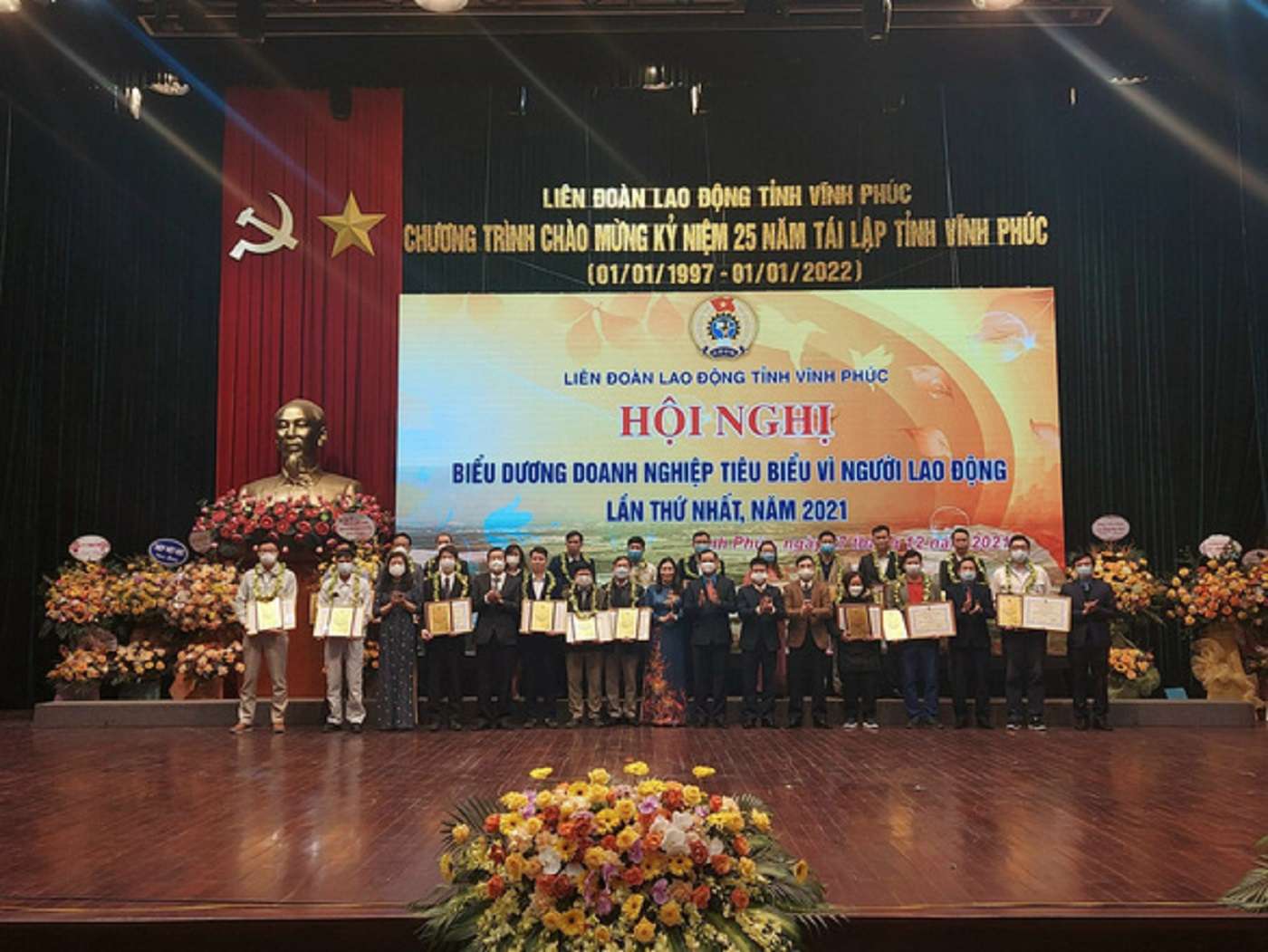
AMY GRUPO ensures fair and adequate benefits for its employees
In 2021, AMY GRUPO was honored as one of the “Top 20 Outstanding Enterprises for Employees”, recognized by the Vinh Phuc Provincial Confederation of Labor at the Conference Honoring Outstanding Enterprises for Employees 2021.
View Details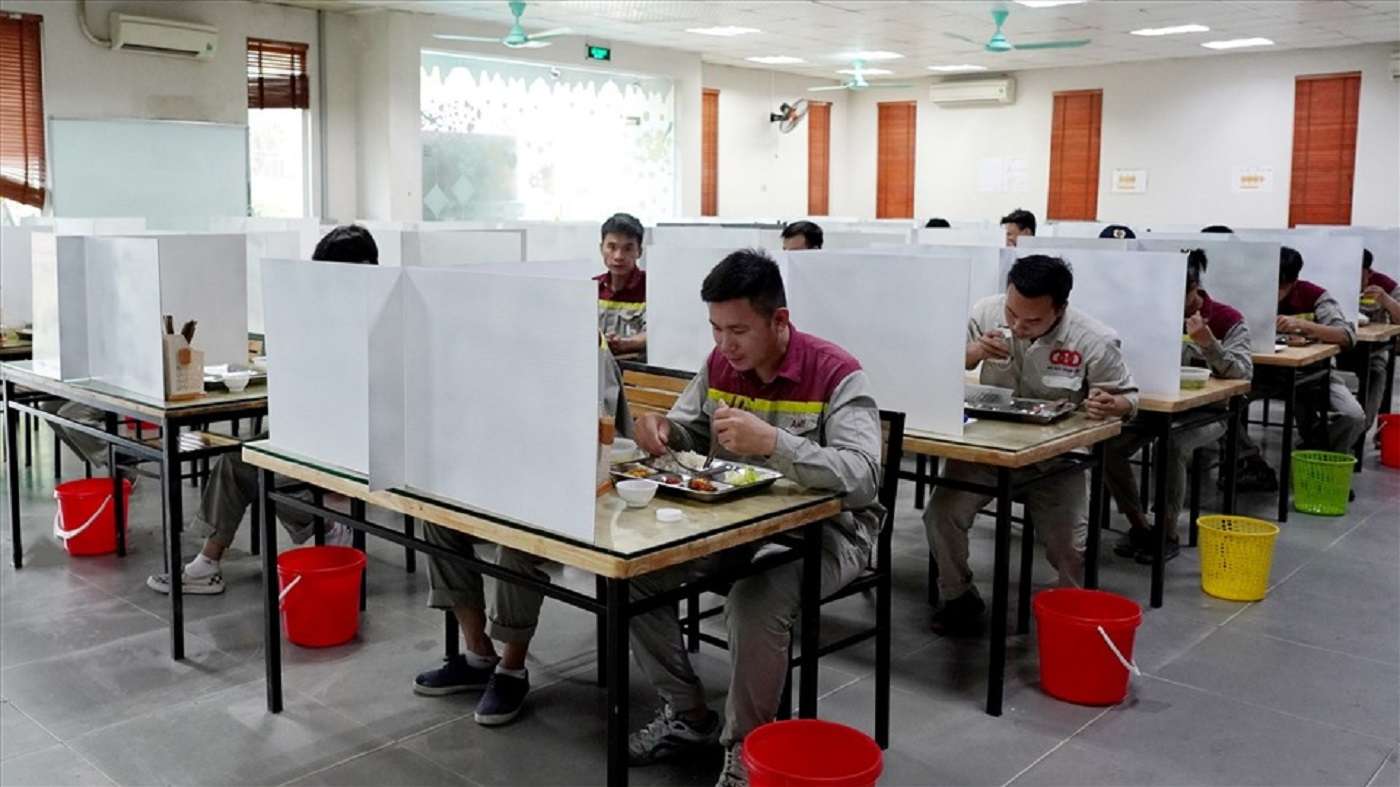
AMY GRUPO – A People-Centered Enterprise for Sustainable Development
AMY GRUPO is one of the leading manufacturers in Vietnam in the fields of ceramic tiles, SPC waterproof flooring, sanitary ware, and roofing tiles. Its products are available across all 63 provinces and cities nationwide and are exported to more than 20 countries and territories worldwide.
View Details