
Cart
News
Products
Mosaic Amygres – Art from Pieces
Summary of content
The mosaic about Ulysses – from the Roman period, which is currently preserved at the Bardo Museum in Tunisia, also dates to the 5th century; the Islamic mosaic in the 7th century features repetitive patterns in deep blue and green on the Dome of the Rock in Jerusalem, ...
What is mosaic?
When referring to famous artworks around the world such as: the ancient Greek mosaic painting on the theme of deer hunting in Pella (around the 4th century BC); the mosaic about Ulysses – from the Roman period, which is currently preserved at the Bardo Museum in Tunisia, also dating to the 5th century; the Islamic mosaic in the 7th century with repetitive patterns in deep blue and green on the Dome of the Rock in Jerusalem, ... or in Vietnam with renowned works such as: the Ceramic Road along the Red River (by artist Nguyễn Thu Thủy); the mosaic painting in Trường Sa (University of Fine Arts – Ho Chi Minh City)... all of these works were created using the art of mosaic.
Antoni Gaudí (a famous Spanish architect) once said: “Any artistic product must have charm, in its broad sense, because it attracts everyone.” Mosaic is an art form, and it truly captivates and fascinates people from the very first glance.
The Jama Masjid Grand Mosque – India
So, what is Mosaic? Today, within the scope of this article, we will explore with you what it is and its applications of Mosaic in architectural design.
Mosaic is a general term, implying the act of inlaying and assembling small pieces together to form a color block, a pattern block, or a shape according to intention. The art of Mosaic inlaying uses pieces made from various materials, but with modern techniques today, they are often produced with high-quality materials that are durable, beautiful, glossy, and not slippery at all… These materials include: glazed mosaic tiles, marble mosaic tiles, glass mosaic tiles, ceramic tiles…
The History of the Formation and Development of Mosaic
With a history of over 4,000 years, dating back to the 3rd millennium BC, Mosaic art first appeared in the region of the Mesopotamian inhabitants, serving a decorative purpose with pieces made from colored stone and ivory. It was not until around 1,500 BC that ceramic Mosaic emerged, but it only truly developed during the Persian Empire (8th century BC).
Similar to other types of Mosaic materials, ceramic Mosaic was mainly used for decoration in palaces and temples. Mosaic art continued to leave its mark and spread its influence to the ancient Greek and Roman civilizations. Mosaic inlaying quickly became a popular technique in decorative arts and was also an essential choice in interior decoration during the medieval period.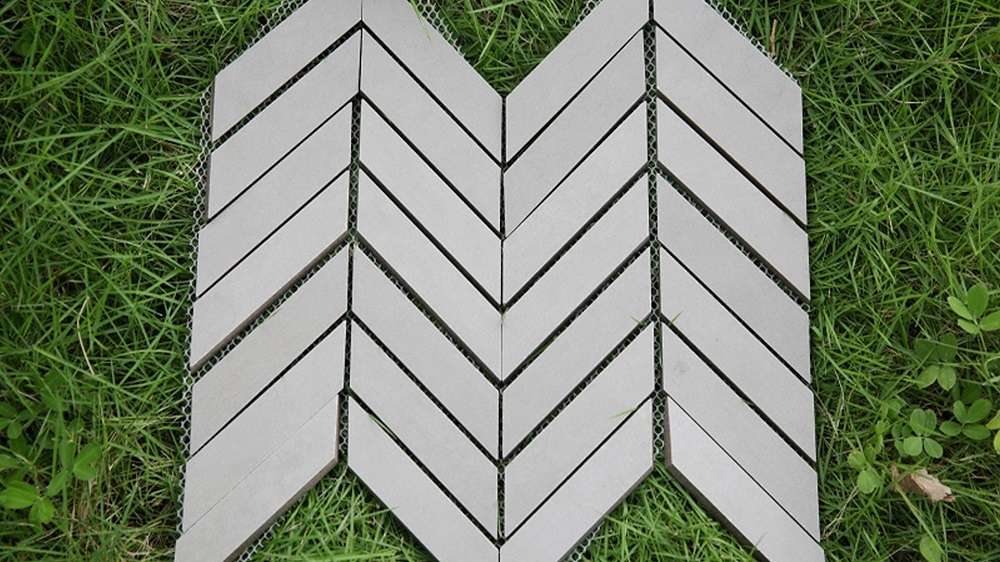
Amygres Mosaic Tile Products
Today, Mosaic is a popular form of handcrafted art. It is widely applied in decorative arts for both interior and exterior spaces, as well as in creating grand mural artworks in public locations. Mosaic tends to appear increasingly in architecture and modern mosaic compositions… Mosaic can be found everywhere, from park benches, walkways, and public staircases to even small objects such as handheld mirrors for girls, adorable cushion cases, flower pots, and jewelry…
Especially with ceramic and porcelain mosaic tiles, they are used more frequently in decorative applications for interior and exterior designs—from residential projects to large-scale constructions—and they are becoming a prevailing trend in architectural decoration today.
With modern production equipment and a team of skilled technicians, AMYGRES Mosaic tile products are ready to meet and satisfy customers as well as demanding markets both domestically and internationally, offering high-quality products with diverse designs.
Advantages of Mosaic Tiles in Architectural Decoration
Mosaic tiles are favored and are gradually becoming a trend in the decorative design of architectural works today because they offer the following advantages:
- High aesthetic value: Mosaic is assembled from small pieces of various colors and diverse materials, making the product highly aesthetic.
- Good durability and hardness: Mosaic tiles are made from materials such as glass, marble, ceramic tiles, etc., and with modern technology, the products have high hardness and durability.
- Compact size and lightweight: Because they are composed of small pieces, they are lightweight and suitable for decorating both indoor and outdoor spaces—from large areas such as lobbies, entrance halls, and swimming pools to smaller spaces such as bathrooms, kitchens, and living rooms.
- Excellent water resistance and moisture resistance: Since they are assembled from materials with low water absorption, they can be comfortably used and decorated in high-humidity areas such as bathrooms, kitchens, and outdoor spaces… making them very suitable for hot and humid climates like those in Northern Vietnam.
Classification of Mosaic Tiles
On the market today, Mosaic comes in many types made from various materials, and they are diverse in product designs, such as:
Ceramic mosaic tiles
With the characteristics of Mosaic tile materials, they offer good moisture resistance, excellent waterproofing, high abrasion resistance, and easy cleaning of stains. The surface of the product is rough, but if it is glazed and fired, it will become shinier.
Ceramic Mosaic – Source: Internet
This type of tile has low adhesion, so it is suitable for use in kitchens, bathrooms, or outdoor spaces.
Marble Mosaic Tiles
Marble mosaic tiles tend toward natural patterns, creating a strong decorative effect. The colors and types of the product are rich and diverse, allowing different colors to be combined into images with various styles, carrying strong personal impressions.
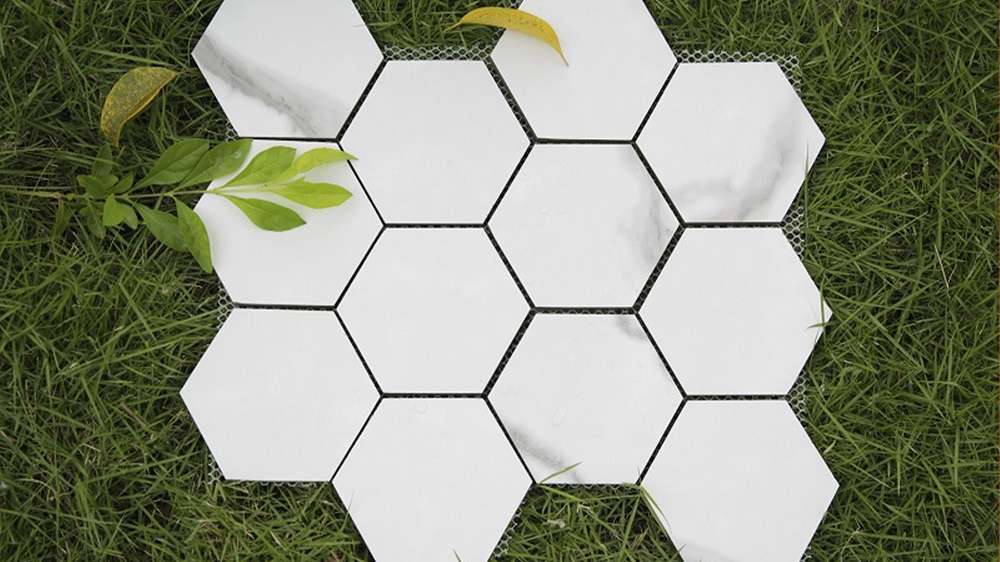
Marble-Pattern Mosaic – Amygres Product Illustration
Marble mosaic tiles are widely applied in the lobbies of restaurants, hotels, and exhibition halls.
Glass Mosaic Tiles
They are a combination of natural minerals and glass, lightweight, resistant to chemical corrosion, and are considered one of the most environmentally friendly products.
With the basic advantages of transparency and reflectivity, their colors are very bright and highly effective when designed into murals. Their magical colors give us a sense of cleanliness and comfort.
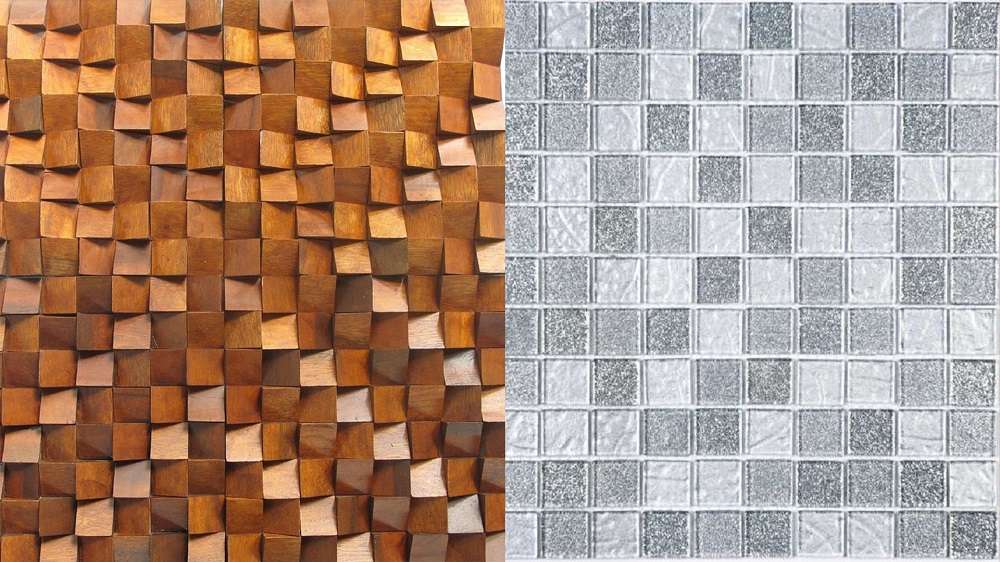
Glass Mosaic and Wood Mosaic – Image Source: Internet
With low abrasion, these products are used for tiling bathrooms and swimming pools.
Wood Mosaic Tiles
Each wood mosaic tile is a unique mosaic panel with distinctive colors and wooden pieces of various sizes. Every mosaic sheet is unique with natural colors, creating an individual work of art while still ensuring uniformity.
They offer high durability and good moisture resistance. The wood used is primarily the core of hardwood species with rich grain patterns, diverse colors, and easy to decorate in any interior space. Wood mosaic tiles also have the advantage of good sound insulation, making them an ideal material for designing and decorating areas that require high sound absorption.
They not only bring a breath of nature, a sense of closeness and rustic beauty, but also enhance elegance and sophistication through their natural, graceful grain lines. They contribute to increasing the value of the decorated space, reflecting the owner’s refined aesthetic taste and status.
Applications of Mosaic Products – Mosaic Tiles in Interior Spaces
With their outstanding advantages, Mosaic products can be applied in many different spaces, especially in the field of decorating areas such as living rooms, bathrooms, swimming pools, hotel lobbies, resorts, and gardens… In art, they can be used to create artworks ranging from small to large, or even large-scale constructions that require meticulous decoration.
Mosaic Tiles for Bathroom Walls
The bathroom is inherently a relaxing space, a place where we release stress after a long day of tiring work or study. However, decorating a bathroom into a truly relaxing space is not easy; for many people, it is indeed a challenging task.
Especially when it comes to choosing tiles for the bathroom. Among countless types of tiles—from ceramic tiles, encaustic tiles to granite…—users often feel like they are standing in a maze of decorative materials that are difficult to choose from. Each type of material has its own pros and cons, and depending on your preferences, bathroom interior décor style, and budget, you can make the final decision. But if you are aiming to design a bathroom that is unique yet elegant and refined, then do not overlook mosaic tiles.
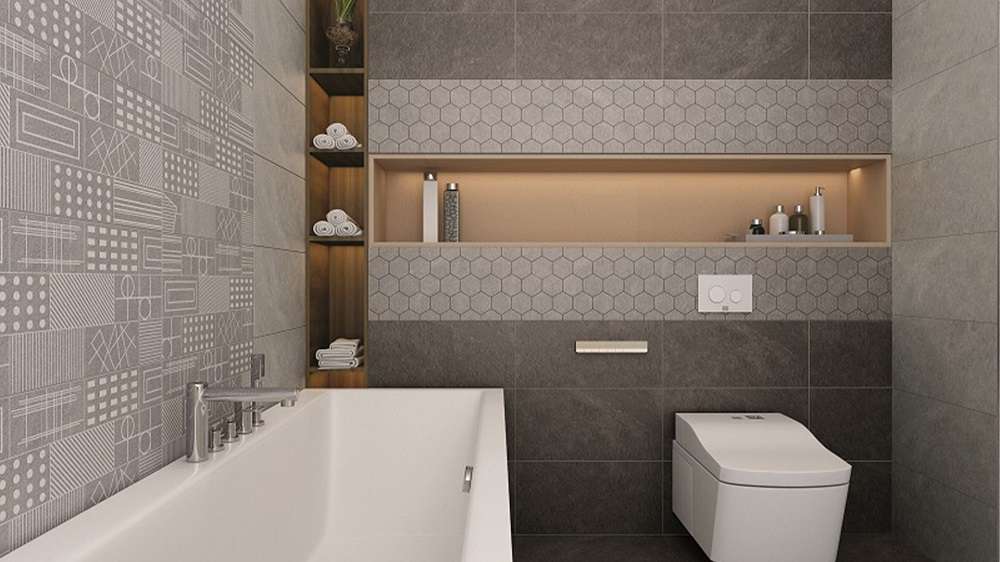
Mosaic Applied in Bathroom Spaces – Products by Amygres
With their outstanding advantages of being waterproof and slip-resistant, mosaic tiles are precisely the suitable tiling material for use in bathrooms, which are always humid. Moreover, mosaic tiles possess high aesthetic value, making them extremely fitting for modern bathrooms. You can easily come across mosaic tiles in the bathrooms of luxurious resorts and high-end hotels.
In addition, mosaic tiles are favored for their colorfastness and their resistance to cracking compared to ceramic tiles. Furthermore, when using mosaic tiles for the bathroom, you will not have to worry about slipping due to slippery tiles. With mosaic tiles, safety and stability are absolutely guaranteed.
Mosaic Tiles for Kitchens
The kitchen is an area that requires a sense of warmth, so when choosing tiles, you should pay attention to the patterns and colors. There are quite a few options for kitchen wall tiles besides ordinary ceramic tiles. However, if you want your cooking space to achieve the necessary warmth, mosaic tiles are a suggestion worth considering. With this type of tile, you do not need to hesitate about colors, patterns, sizes, or designs because there are countless options for you to choose from.
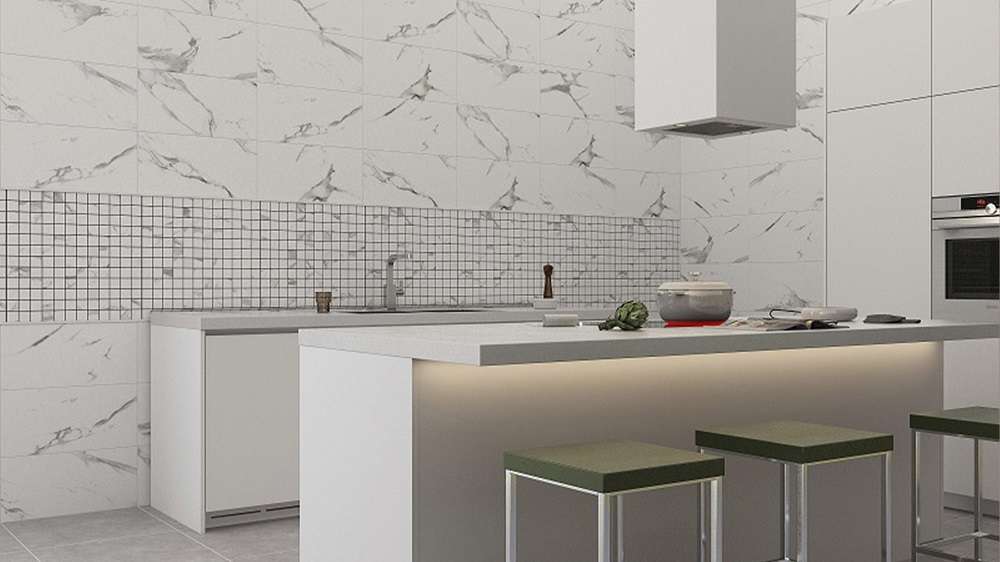
Mosaic Applied in Kitchen Spaces – Products by Amygres
Mosaic tiles used in kitchen areas ensure warmth for the cooking space. Not only that, but this type of tile also has a very high resistance to stains, so even when food marks stick to the surface, you can easily clean and wipe them away. The glossy finish of mosaic tiles is also an advantage you should consider when looking into tiling materials for your kitchen.
Mosaic Tiles for Living Rooms
Undoubtedly, the living room is the most important space in every home. Apart from its function as a place to welcome guests, this room is also the common living area for the whole family, where stories are shared so that members can understand one another better. Therefore, besides the furniture placed in the living room, choosing the right tiles is also extremely important, as it contributes to creating a distinctive impression for this space. Moreover, skillfully choosing tiling materials can help showcase the homeowner’s aesthetic taste and personal identity to guests visiting the home.
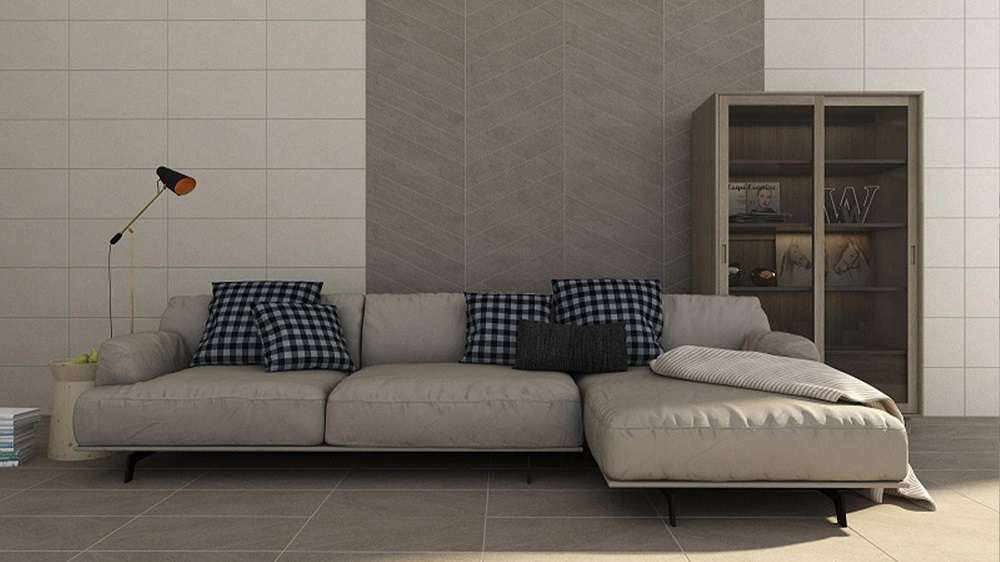
Mosaic Applied in Living Room Spaces – Products by Amygres
If you are wondering which type of tile to choose for your living room, do not hesitate to choose mosaic tiles. Currently, on the market, besides ceramic tiles, glass mosaic tiles are the perfect choice for homeowners with distinctive tastes. The glossy surface of the tiles can convince even the most demanding homeowners. Not to mention, the patterns and colors of each mosaic tile piece—such as gold glass, blue glass, etc.—will captivate you instantly. The living room is promised to stand out impressively when using these glass mosaic tiles for wall cladding.
Mosaic Tiles for Bedrooms
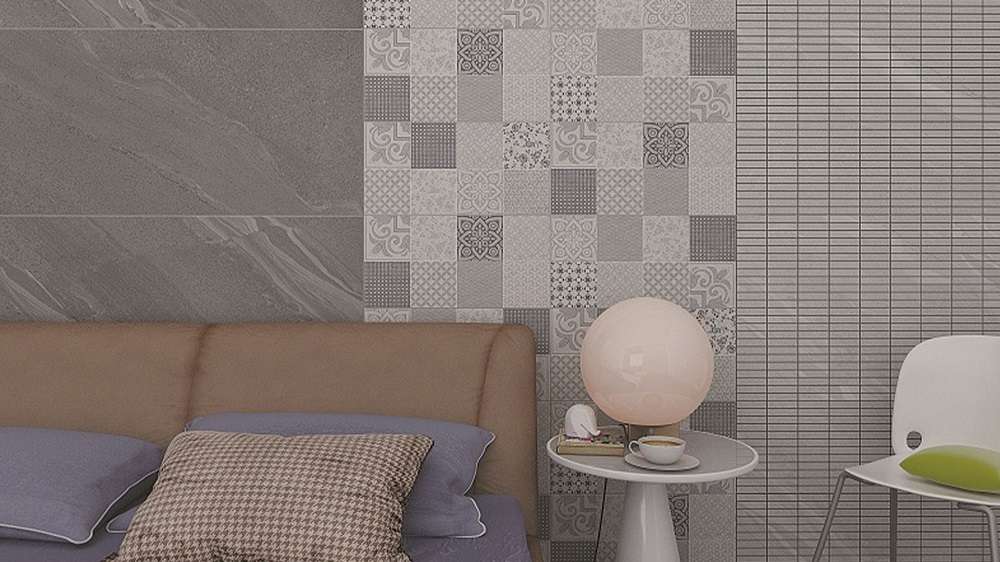
Mosaic applied in the bedroom space – A product under the Amygres brand
The bedroom tiled with wooden mosaic tiles highlights a graceful, delicate, luxurious, and no less splendid beauty.
Mosaic tiles for stair cladding
The staircase is a very important area in townhouses and villas. It not only facilitates the movement between floors but is also considered an interior element that creates accents for the living space. Many people choose spiral staircases or hollow wooden steps to add charm to their homes, while others prefer placing greenery on the stair landing. However, nowadays, many people favor decorating the staircase with mosaic tiles.
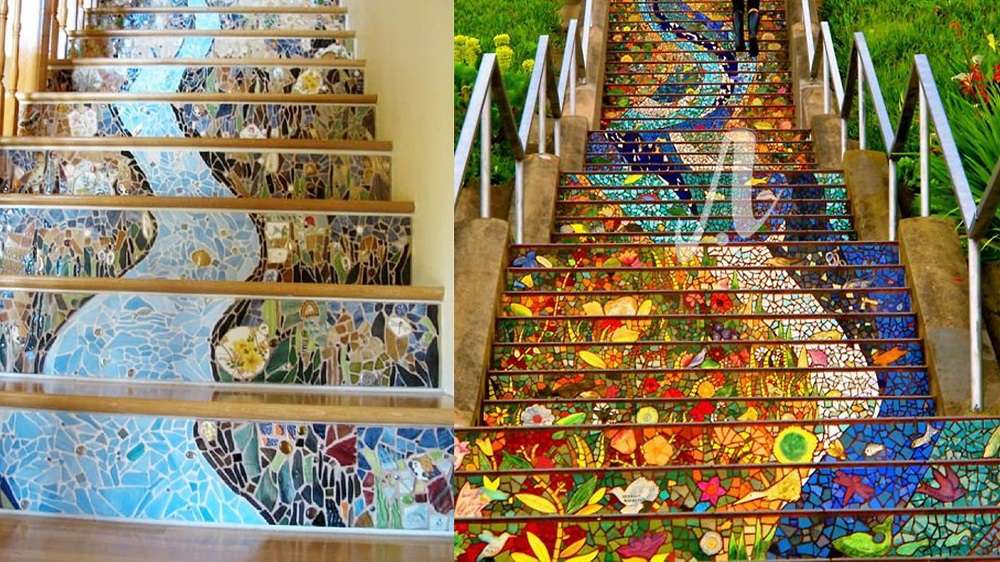
Mosaic applied in the staircase area – Source: Internet
Just like encaustic tiles, mosaic tiles are highly favored for stair cladding. The joyful color blocks, along with the vivid and eye-catching patterns of mosaic tiles, instantly turn the staircase into a unique work of art. Moreover, your beautiful home will become more attractive thanks to the staircase clad with mosaic tiles.
Mosaic tiles for swimming pool cladding
Thanks to their superior characteristics, mosaic tiles are always given priority when constructing and cladding swimming pools. The glossy, smooth surface and bright colors create a shimmering, magical effect when sunlight shines directly onto the pool. The tiles reflect sunlight due to their reflective properties, combined with eye-catching designs, creating an artistic masterpiece that you cannot help but admire. You can design your own mosaic tiles, from playful, colorful designs for children to sophisticated, elegant, and modern color schemes—something that not all types of tiles can offer.
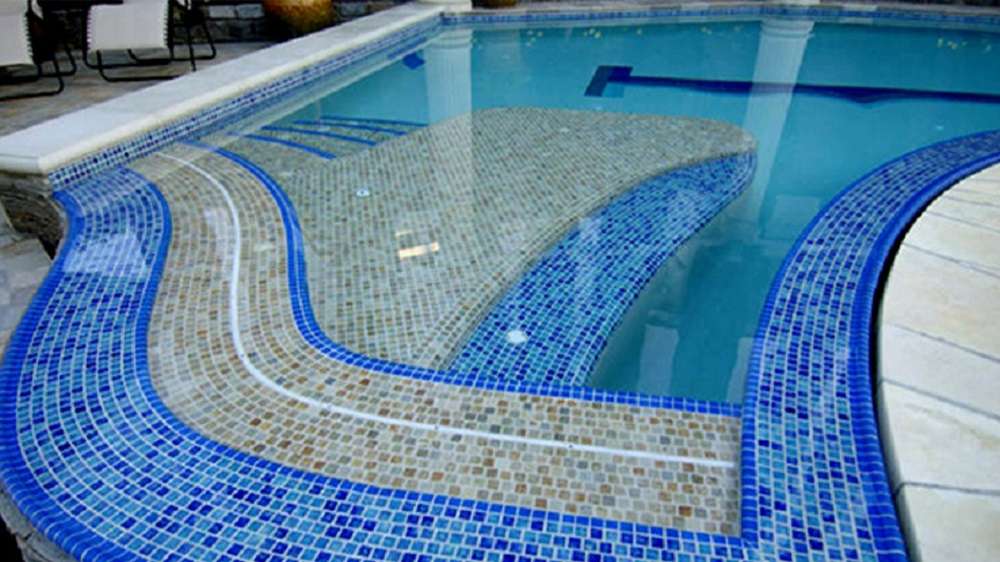
Mosaic applied in swimming pools – Source: Internet
Not only that, mosaic glass tiles used for swimming pools help people move easily without slipping, while the pool walls and bottom are very easy to clean, scrub, and prevent algae from adhering to the surface.
Mosaic tiles are used for table and chair surfaces
Do you want to own a unique item for your interior space that creates an impression on guests? Then do not overlook products such as chairs with tabletops made from mosaic tiles. Not only are they perfect materials for cladding functional areas in the house, but mosaic tiles are also applied to create beautiful tabletops and artistic mosaic pictures.
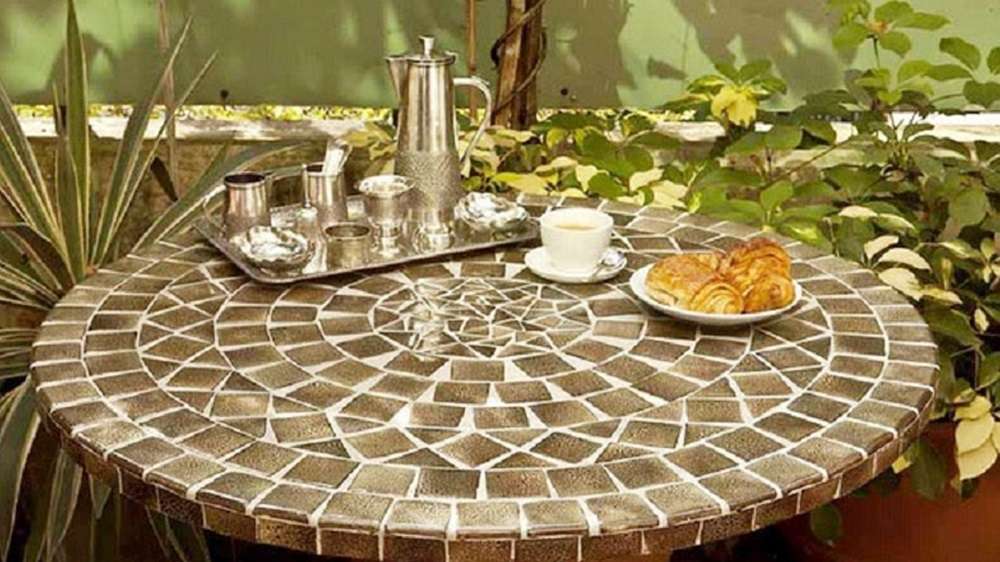
Mosaic applied on tabletop surfaces – Image source: Internet
Below are some Mosaic products from the AMYGRES brand, and we hope that our products will be a great suggestion for you in designing and decorating your project.
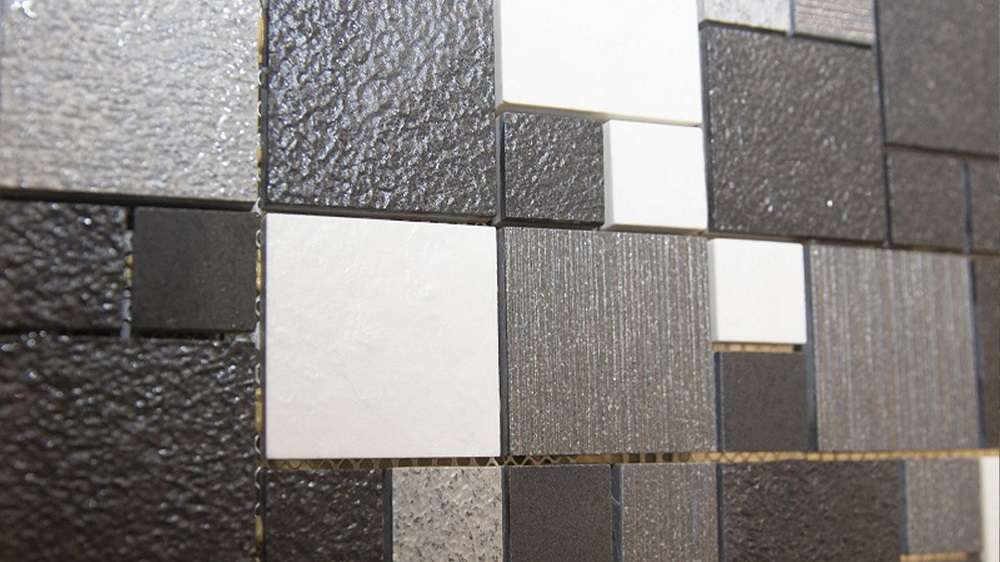
Color–blended Mosaic product – a product of Amygres
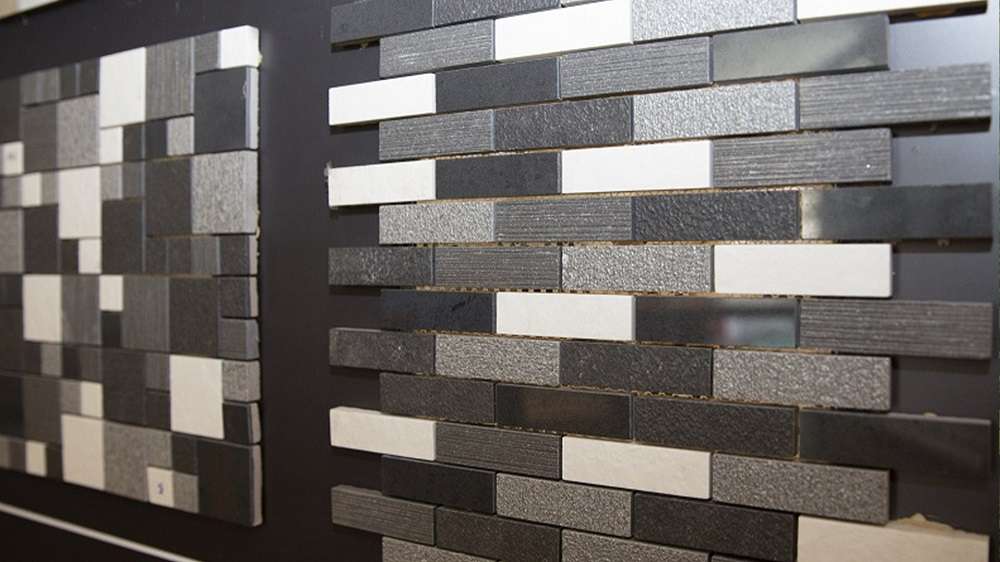
Color–blended Mosaic product – a product of Amygres
Hexagonal Mosaic product with a matte glazed surface – a product of Amygres
Mosaic product simulating the beauty of the Northern European coniferous forest – a product of Amygres
All Mosaic tile products from Amygres are being distributed and displayed at Amygres’ official showrooms nationwide!
Related News
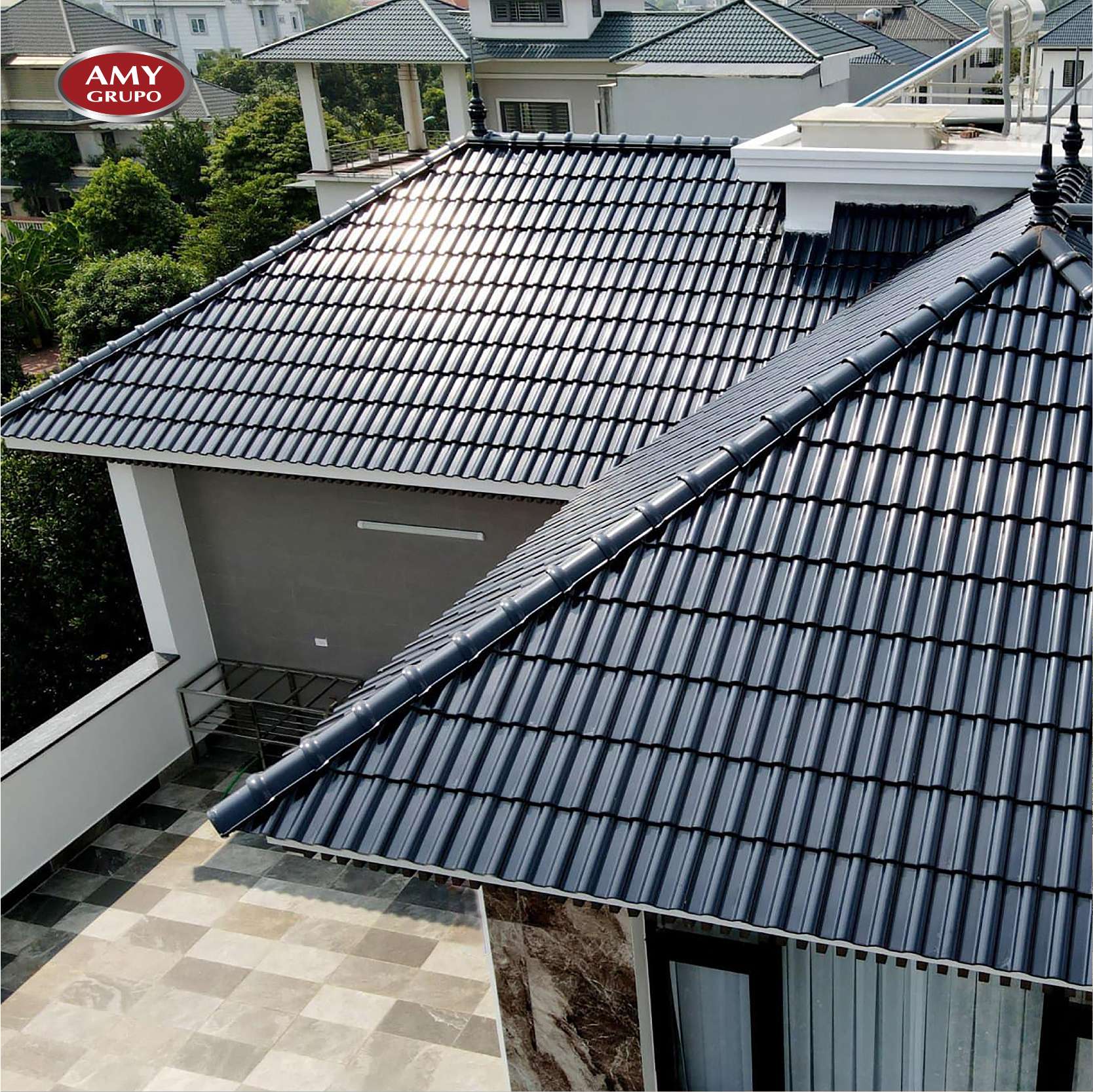
AMY GLAZED CERAMIC ROOF TILES – A DURABLE PROTECTIVE LAYER FOR VIETNAMESE ROOFS
View Details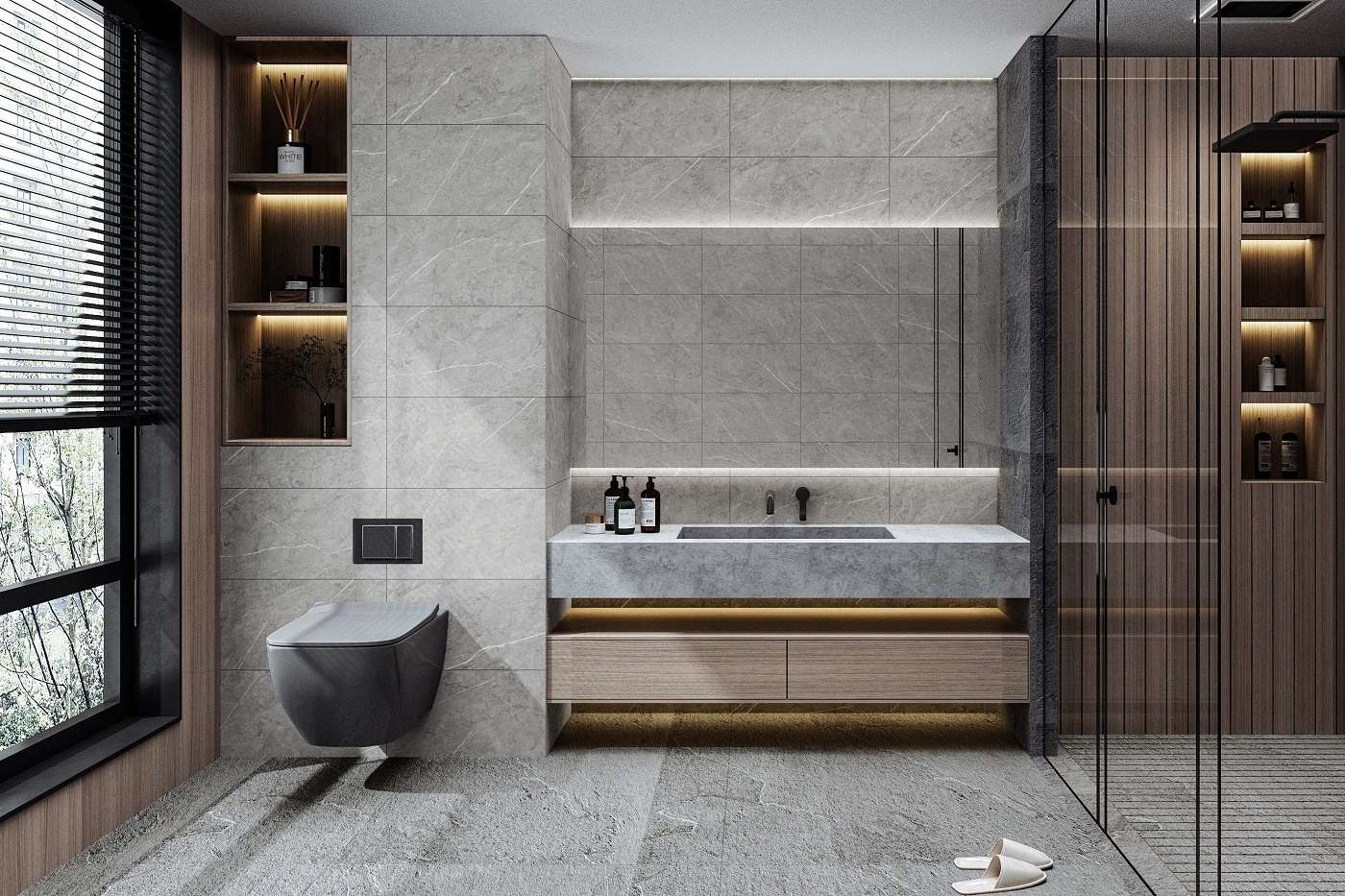
The Art of Selecting Interior Design for Apartments
View Details
What flooring materials are used on the 6-star “superyacht” in Ha Long Bay?
View Details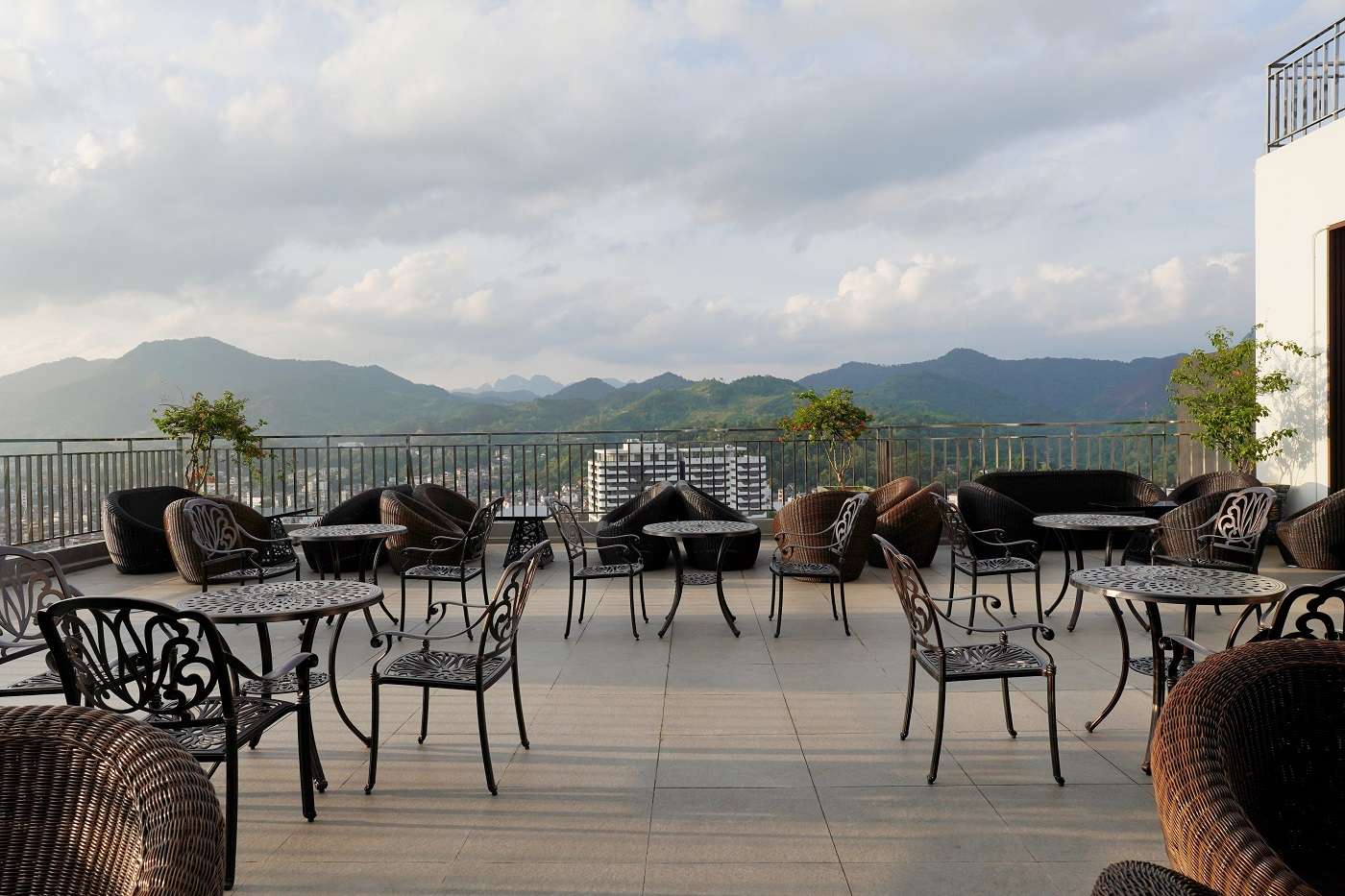
AMY GRUPO breathes life into every space of the Muong Thanh Luxury Cao Bang Hotel project
View Details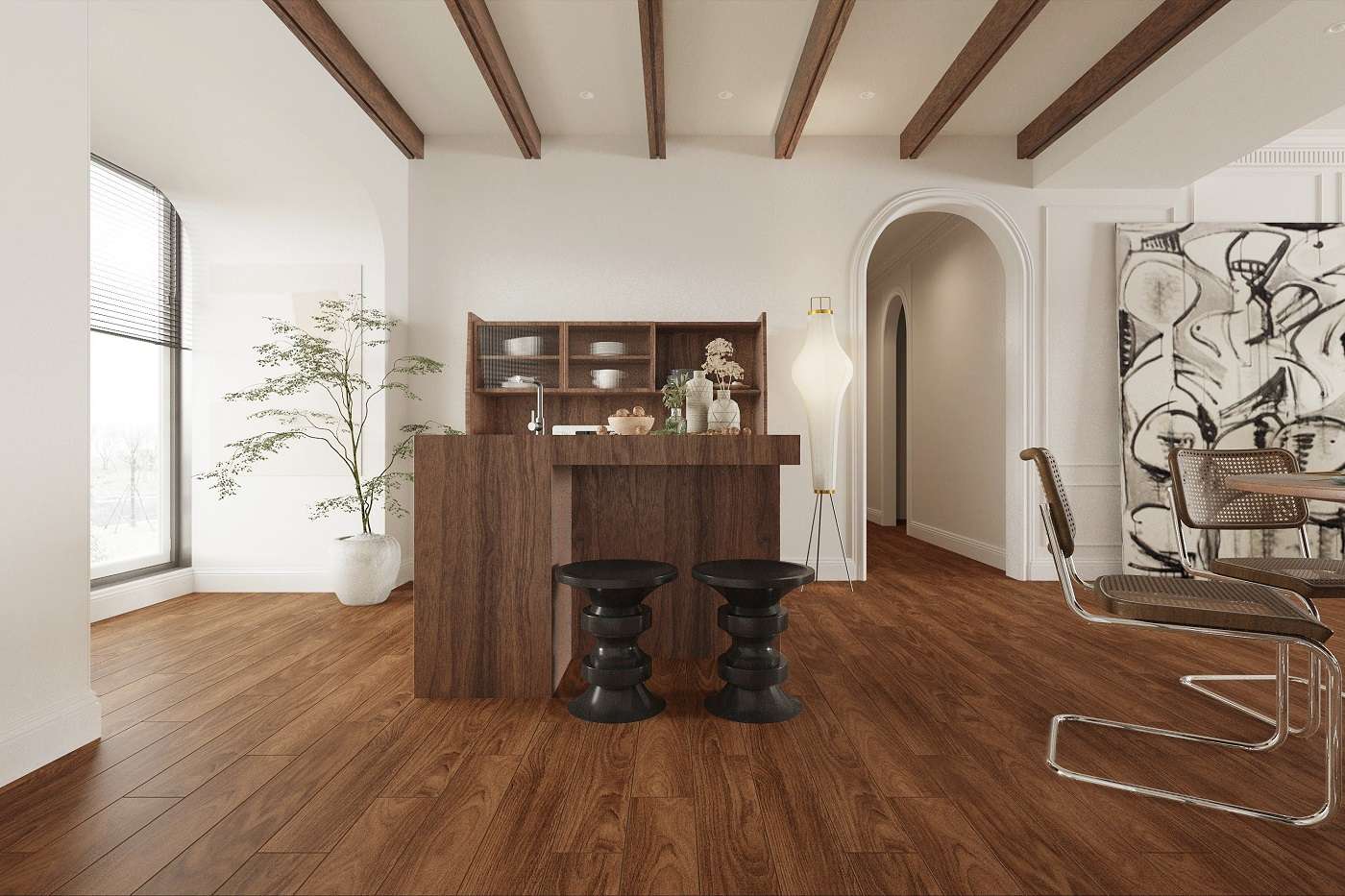
AMYGRES Wood-Look Tiles – International Design Bringing Nature into Your Space
When living too long in modern urban areas, people increasingly long for the presence of nature. AMYGRES wood-look tiles are the perfect choice to bring this natural inspiration into daily life. The product represents an international design trend, ideal for investors, contractors, and architects working on high-end projects.
View Details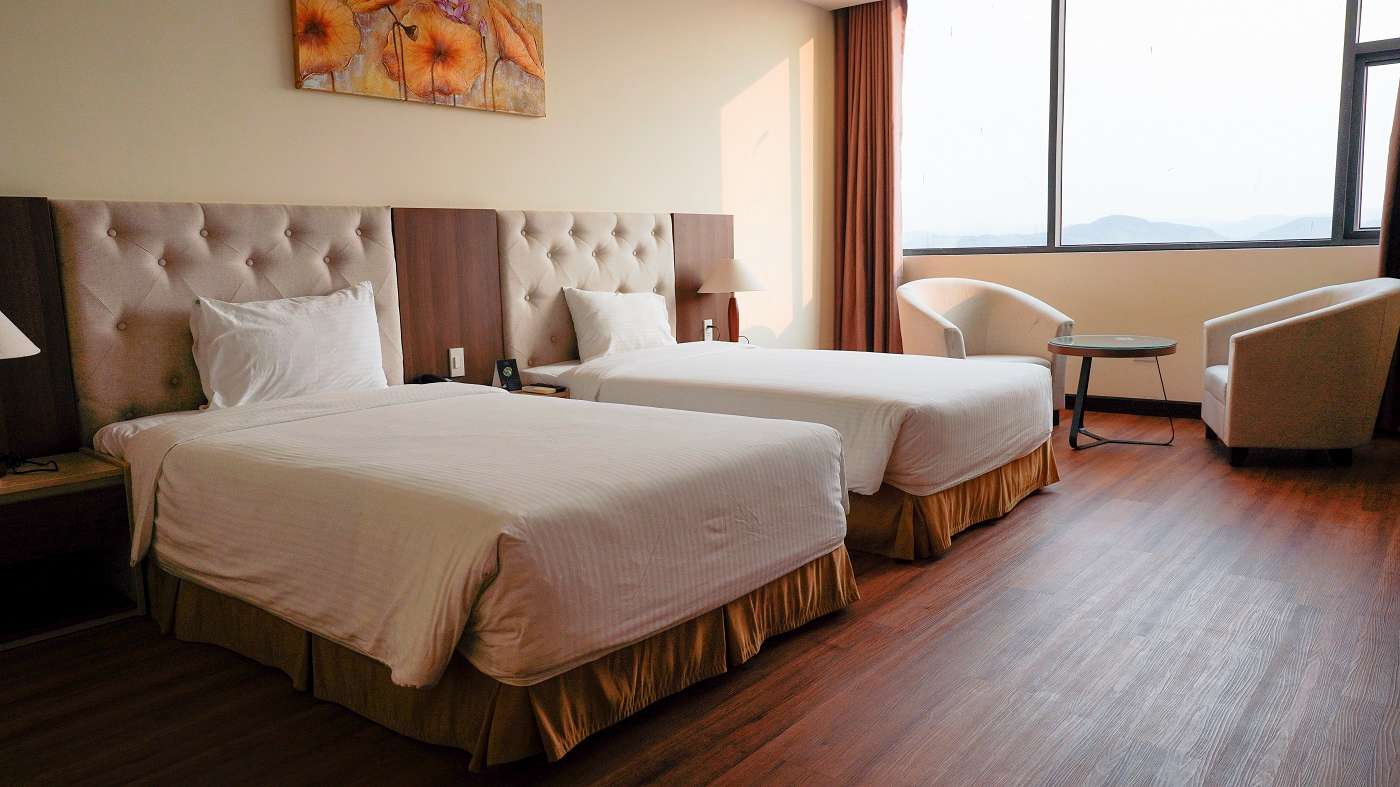
Renovating Muong Thanh Hotel in Quang Nam with AMYGRES SPC
Muong Thanh Quang Nam is one of the hotels in the Muong Thanh hotel system that uses premium water-resistant AMYGRES SPC flooring to renovate and upgrade its facilities, preparing to welcome a large number of upcoming tourists.
View Details
A Positive Perspective on the Rising Prices of Construction Materials
“Due to the characteristics of a high-growth economy and the rapidly expanding middle class, as well as the influence of neighboring countries, we are strongly affected by consumption behaviors driven by brand and origin, often in an irrational way. For example, the luxury goods market in China in recent years, or in Vietnam today…”
View Details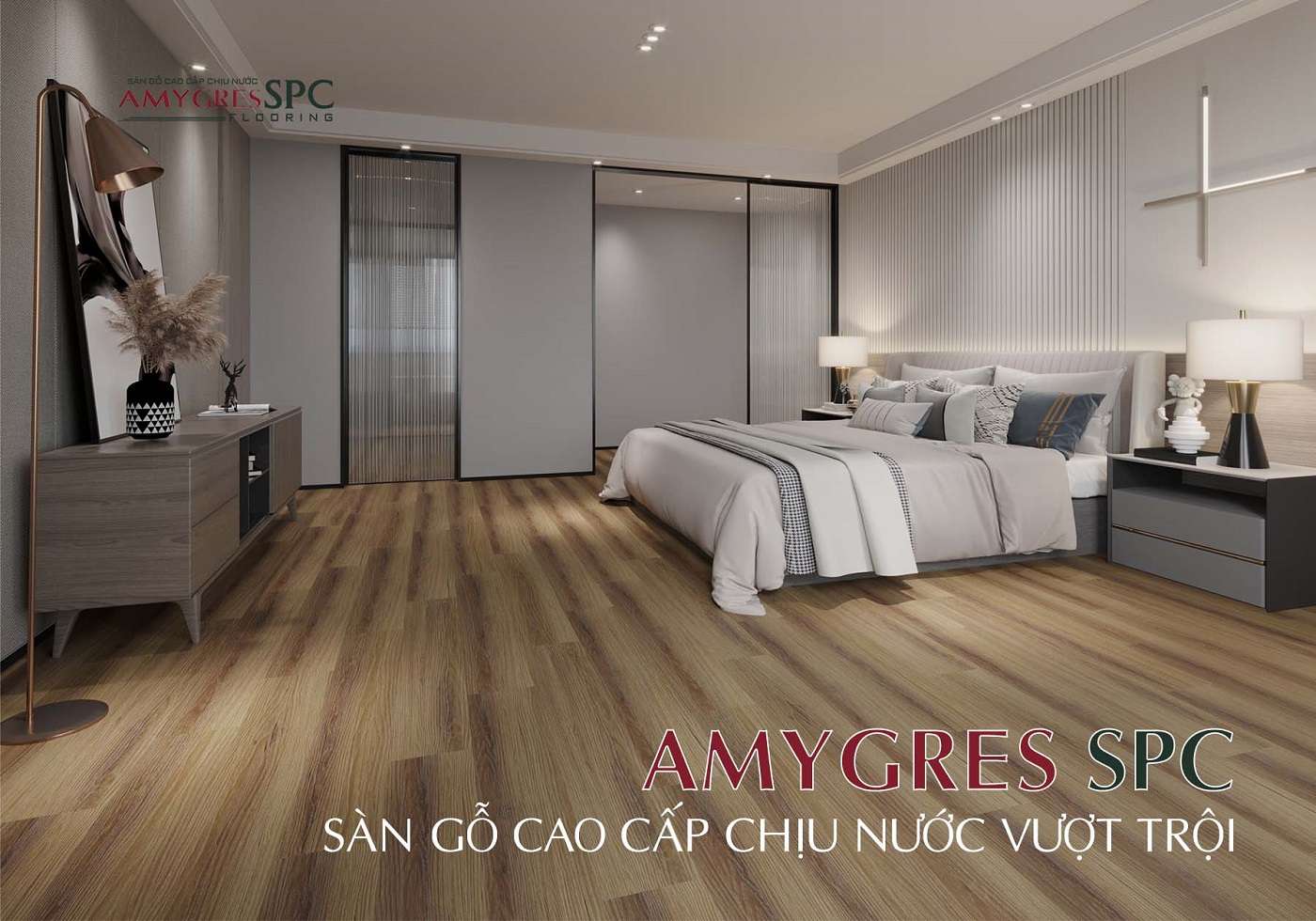
AMYGRES SPC – The Next Generation of Superior Waterproof Flooring
Confidently standing as a manufacturer of wood flooring that meets leading European standards, AMYGRES SPC wood flooring features outstanding waterproof technology. Join AMY GRUPO to explore the exceptional water-resistant properties of the premium AMYGRES SPC waterproof flooring.
View Details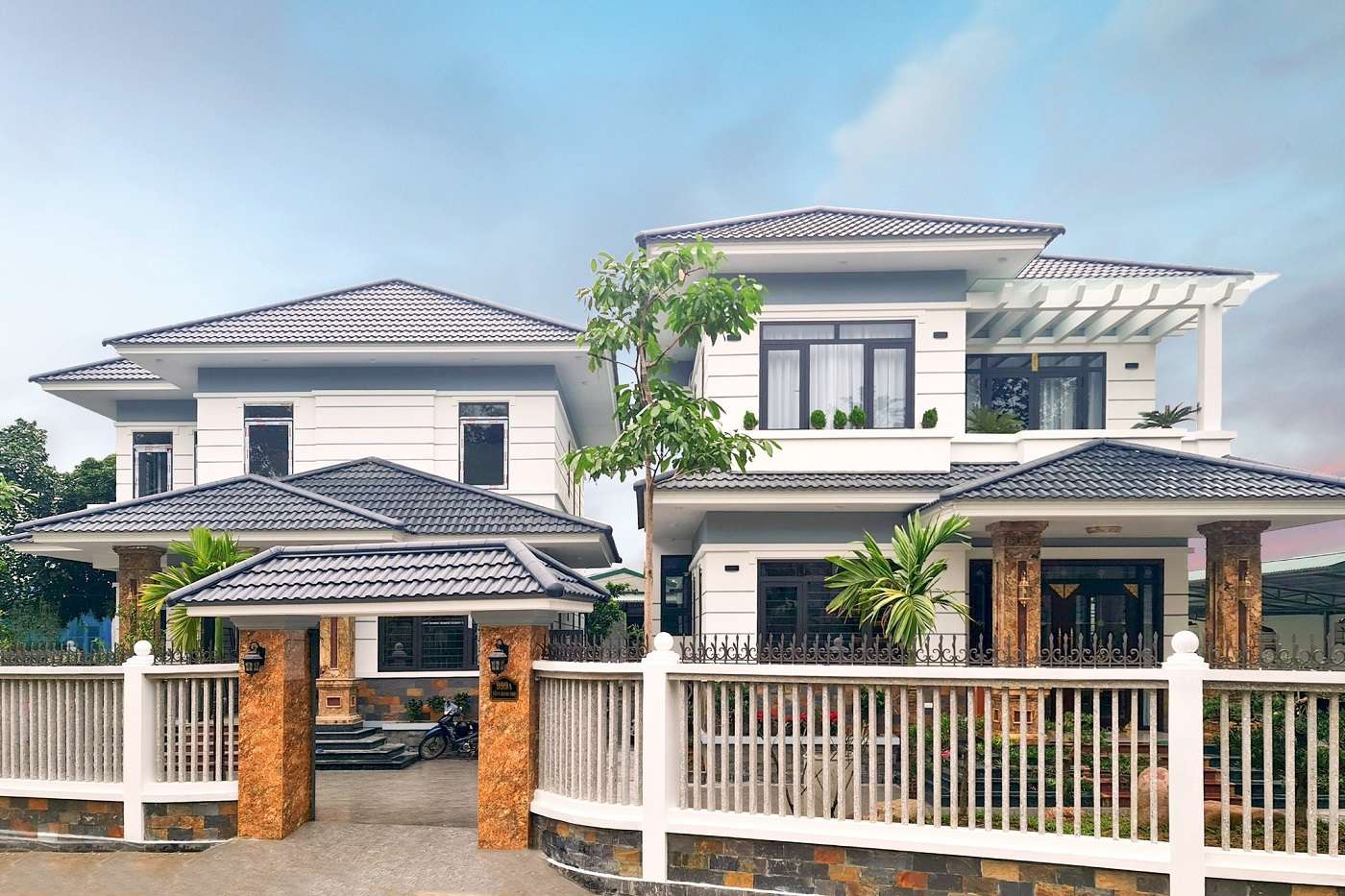
AMYGRES Premium Glazed Ceramic Roof Tiles – The Pinnacle of Manufacturing Technology with International Design
Standing firm against every harsh change of the weather, steadfast like a fortress amid storms and rain — more than anyone, AMY GRUPO understands that the roof is an essential part of the home, bringing a sense of safety and protection to every family member. With state-of-the-art manufacturing technology and international design, AMYGRES premium glazed ceramic roof tiles deliver the highest quality products to the market.
View Details
The 60x60cm Semi Porcelain Tile Collection
Since its launch, the 60x60cm semi porcelain tile collection by AMY has always been one of the most outstanding “vedettes” in showrooms, receiving high praise from experts and professionals in the field.
View Details